Monday, 3 February 2025

Red Light Therapy for Acne: Healing and Anti-inflammatory Benefits


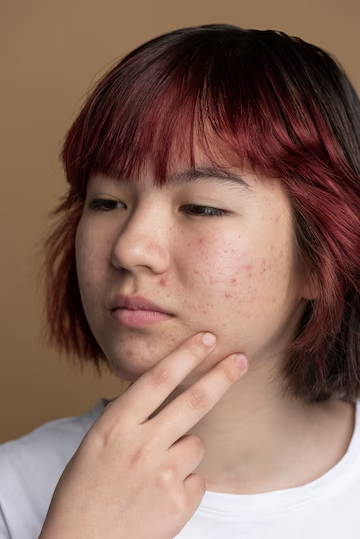
Acne is a common skin condition that affects millions of people worldwide, characterized by the presence of pimples, blackheads, whiteheads, and often, inflammation. While various treatments are available to manage acne symptoms, red light therapy has emerged as a promising option, offering healing and anti-inflammatory benefits without the use of harsh chemicals or medications.
Introduction to Acne

Acne occurs when hair follicles become clogged with oil and dead skin cells, leading to the growth of bacteria and inflammation. Factors such as hormonal changes, genetics, and lifestyle habits can contribute to the development of acne, which often manifests on the face, chest, back, and shoulders.

What is Red Light Therapy?

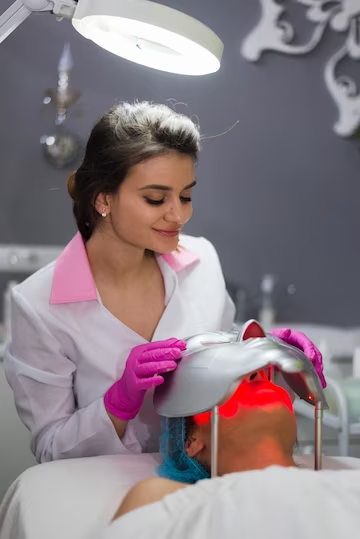
Red light therapy, also known as low-level laser therapy (LLLT) or photobiomodulation (PBM), involves exposure to low levels of red or near-infrared light wavelengths to stimulate cellular repair and regeneration. It's commonly used in dermatology for various skin conditions, including acne, wrinkles, and scars.

Application of Red Light Therapy in Acne Treatment

Mechanism of action:

Red light therapy works by penetrating deep into the skin's layers, where it stimulates the production of adenosine triphosphate (ATP), the energy source for cellular processes. This, in turn, promotes collagen production, reduces inflammation, and accelerates tissue repair, leading to improved skin health and appearance.

Efficacy in reducing acne lesions:

Studies have shown that red light therapy can effectively reduce acne lesions, including pimples, papules, and nodules, by targeting the underlying causes of acne and promoting skin healing. Regular sessions can lead to clearer, smoother skin with fewer breakouts over time.

Healing and Anti-inflammatory Benefits

Reducing inflammation:

One of the key benefits of red light therapy in acne treatment is its anti-inflammatory properties. By reducing inflammation within the skin, red light therapy helps alleviate redness, swelling, and discomfort associated with acne flare-ups, leading to calmer, more balanced skin.

Promoting skin healing and regeneration:

In addition to its anti-inflammatory effects, red light therapy accelerates the skin's natural healing process, helping to repair damaged tissues and promote the regeneration of healthy skin cells. This can lead to faster recovery from acne breakouts and a reduction in post-inflammatory hyperpigmentation and scarring.

Treatment Protocol and Duration

The frequency and duration of red light therapy sessions for acne treatment can vary depending on factors such as the severity of the acne, skin type, and individual response to treatment. Typically, patients undergo multiple sessions per week for several weeks to achieve optimal results, followed by maintenance sessions as needed.

Comparative Analysis with Other Acne Treatments

Compared to traditional acne treatments such as topical medications, oral antibiotics, and chemical peels, red light therapy offers several advantages, including non-invasiveness, minimal side effects, and suitability for all skin types. It can also be used in conjunction with other acne treatments for enhanced results.

Patient Experience and Expectations

Many patients report a noticeable improvement in their acne symptoms after undergoing red light therapy, including reduced inflammation, fewer breakouts, and improved overall skin texture. While individual results may vary, consistent treatment and proper skincare can help maximize the benefits of red light therapy for acne.

Safety Considerations

Red light therapy is considered safe for most individuals when performed by a qualified healthcare provider. However, some mild side effects such as temporary redness or sensitivity may occur, especially in individuals with sensitive skin. It's essential to follow pre- and post-treatment instructions provided by the healthcare provider to minimize the risk of adverse effects.

Conclusion

Red light therapy offers a safe, non-invasive, and effective treatment option for individuals struggling with acne, providing healing and anti-inflammatory benefits that address the underlying causes of acne and promote clearer, healthier skin. By understanding the treatment protocol, comparative analysis with other acne treatments, and safety considerations, patients can make informed decisions about incorporating red light therapy into their skincare routine and achieving long-term acne relief.

FAQs

1. Is red light therapy painful?

No, red light therapy is generally painless and well-tolerated by most individuals. Some may experience mild warmth or tingling sensation during treatment, but it's typically not uncomfortable.


2. How soon can I expect to see results from red light therapy for acne?

While individual results may vary, many patients report seeing improvements in their acne symptoms within a few weeks of starting red light therapy, with continued progress over time.


3. Can red light therapy be combined with other acne treatments?

Yes, red light therapy can be safely combined with other acne treatments such as topical medications, oral antibiotics, and chemical peels to enhance results and address specific acne concerns.


4. Are there any long-term side effects of red light therapy?

Red light therapy is considered safe for long-term use, with minimal risk of long-term side effects. However, regular follow-up appointments with a healthcare provider may be recommended to monitor skin health and adjust treatment as needed.


5. Can red light therapy be used for all types of acne?

Yes, red light therapy is suitable for treating various types of acne, including inflammatory acne, comedonal acne, and hormonal acne. It can be customized to target specific acne concerns and is generally well-tolerated by all skin types.


Sunday, 2 February 2025

Proactive Skincare for Eczema: Tips for Daily Management


Eczema, also known as atopic dermatitis, is a chronic inflammatory skin condition characterized by dry, itchy, and inflamed skin. While eczema can vary in severity and presentation, it often requires ongoing management to control symptoms and prevent flare-ups. Proactive skincare plays a vital role in eczema management by maintaining skin hydration, reducing inflammation, and minimizing exposure to irritants and triggers. Implementing a daily skincare routine tailored to individual needs can help individuals with eczema achieve healthier, more comfortable skin and improve their overall quality of life.

Introduction to Eczema

Eczema is a common skin condition that affects people of all ages, with symptoms ranging from mild dryness and itching to severe inflammation and skin damage. Common symptoms of eczema include redness, itching, swelling, and the formation of dry, scaly patches on the skin. Eczema can occur anywhere on the body but is most commonly found on the face, hands, arms, and legs. While the exact cause of eczema is unknown, it is believed to result from a combination of genetic, environmental, and immune system factors.

Understanding Proactive Skincare for Eczema

Proactive skincare for eczema involves adopting daily skincare practices aimed at maintaining skin health, preventing flare-ups, and reducing symptoms. The goals of proactive eczema management include restoring and preserving the skin's natural moisture barrier, minimizing inflammation and itching, and avoiding exposure to known irritants and triggers. By incorporating gentle cleansing techniques, moisturizing strategies, and protective measures into their daily routine, individuals with eczema can help alleviate symptoms and improve their skin condition over time.

Key Principles of Proactive Skincare

Gentle Cleansing Practices:

  • Use mild, fragrance-free cleansers formulated for sensitive skin.

  • Avoid hot water, harsh soaps, and scrubbing, which can strip the skin of its natural oils and exacerbate dryness and irritation.

  • Limit bathing time to 10-15 minutes and pat the skin dry gently with a soft towel.

Moisturizing Strategies:

  • Apply moisturizers liberally and frequently to keep the skin hydrated and supple.

  • Choose emollient-rich creams or ointments that provide long-lasting hydration and create a protective barrier on the skin.

  • Moisturize immediately after bathing or showering to lock in moisture and prevent water loss from the skin.

Avoidance of Irritants and Triggers:

  • Identify and avoid common irritants and triggers that may exacerbate eczema symptoms, such as harsh chemicals, fragrances, wool fabrics, and extreme temperatures.

  • Choose hypoallergenic skincare products and laundry detergents labeled "fragrance-free" and "dye-free" to minimize the risk of skin irritation.

Tips for Daily Management of Eczema

Proper Bathing Techniques:

  • Bathe in lukewarm water with gentle cleansers and avoid using hot water, which can strip the skin of its natural oils.

  • Use a soft washcloth or sponge to cleanse the skin and avoid rubbing or scrubbing vigorously.

  • Pat the skin dry gently with a soft towel, leaving it slightly damp before applying moisturizer to lock in moisture.

Selection of Suitable Skincare Products:

  • Choose skincare products specifically formulated for sensitive or eczema-prone skin, free of harsh chemicals, fragrances, and known irritants.

  • Look for moisturizers containing ingredients like ceramides, hyaluronic acid, and shea butter to help repair and strengthen the skin barrier.

Protective Measures for Sensitive Skin:

  • Wear loose-fitting, breathable clothing made from soft, natural fabrics like cotton to minimize skin irritation and friction.

  • Use sunscreen with a high SPF to protect the skin from sunburn and UV damage, which can trigger eczema flare-ups.

Incorporating Lifestyle Modifications

Dietary Considerations:

  • Pay attention to your diet and identify any foods that may trigger eczema flare-ups, such as dairy, gluten, eggs, and nuts.

  • Consider keeping a food diary to track your dietary intake and any associated changes in eczema symptoms.

Stress Management Techniques:

  • Practice stress-reducing activities such as yoga, meditation, deep breathing exercises, or mindfulness to help manage stress levels, which can exacerbate eczema symptoms.

  • Prioritize self-care and make time for activities that promote relaxation and emotional well-being.

Environmental Adjustments:

  • Maintain a comfortable indoor environment with moderate temperatures and humidity levels to prevent excessive dryness or moisture buildup.

  • Use a humidifier in dry indoor environments to add moisture to the air and prevent skin dehydration.

Addressing Specific Concerns and Challenges

Itch Management Strategies:

  • Use over-the-counter or prescription antihistamines to relieve itching and discomfort associated with eczema flare-ups.

  • Apply cool compresses or topical corticosteroids to the affected areas to reduce inflammation and itching.

Dealing with Flare-ups:

  • Take prompt action to address eczema flare-ups by following your prescribed treatment regimen and avoiding known triggers.

  • Consult your healthcare provider if you experience severe or persistent flare-ups that do not respond to home management strategies.

Seeking Professional Guidance:

  • Consult a dermatologist or healthcare provider for personalized eczema management advice and treatment recommendations tailored to your specific needs and skin type.

  • Be proactive in discussing your concerns, treatment goals, and preferences with your healthcare provider to ensure you receive optimal care and support.

Promoting Skin Health and Overall Well-being

Importance of Regular Follow-up Care:

  • Schedule regular follow-up appointments with your dermatologist or healthcare provider to monitor your skin condition, assess treatment effectiveness, and make any necessary adjustments to your skincare regimen.

  • Keep open lines of communication with your healthcare provider and report any changes or concerns regarding your eczema symptoms promptly.

Encouraging Self-care and Self-advocacy:

  • Take an active role in managing your eczema by adhering to your prescribed treatment plan, practicing good skincare habits, and advocating for your skin health needs.

  • Educate yourself about eczema triggers, treatment options, and self-management strategies to empower yourself to make informed decisions about your skin care.

Conclusion

Proactive skincare is essential for effectively managing eczema and promoting healthier, more comfortable skin. By incorporating gentle cleansing practices, moisturizing strategies, and protective measures into their daily routine, individuals with eczema can help alleviate symptoms, reduce flare-ups, and improve their overall quality of life. By adopting a proactive approach to skincare and making lifestyle modifications to support skin health, individuals with eczema can achieve long-term relief and maintain optimal skin condition.

FAQs

1. Can certain foods trigger eczema flare-ups?

Yes, certain foods may trigger eczema flare-ups in some individuals, including dairy products, gluten-containing foods, eggs, nuts, and citrus fruits. Keeping a food diary and identifying potential trigger foods can help individuals manage their eczema symptoms.


2. What are some common irritants to avoid for eczema-prone skin?

Common irritants to avoid for eczema-prone skin include harsh chemicals, fragrances, wool fabrics, synthetic dyes, and abrasive skincare products. Choosing hypoallergenic and fragrance-free skincare products can help minimize the risk of skin irritation and flare-ups.


3. Is it necessary to use fragrance-free skincare products for eczema?

Using fragrance-free skincare products is recommended for individuals with eczema, as fragrances can be irritating and trigger allergic reactions in sensitive skin. Fragrance-free products are less likely to cause irritation and are suitable for daily use on eczema-prone skin.


4. How can stress impact eczema symptoms, and what are some stress management techniques?

Stress can exacerbate eczema symptoms by triggering inflammatory responses in the body and weakening the skin's natural defenses. Stress management techniques such as yoga, meditation, deep breathing exercises, and mindfulness can help reduce stress levels and improve eczema symptoms over time.


5. When should I seek medical attention for my eczema?

It is essential to seek medical attention for eczema if you experience severe or persistent symptoms, such as intense itching, pain, swelling, or signs of infection (e.g., redness, warmth, pus). Your healthcare provider can evaluate your symptoms, prescribe appropriate treatment, and provide guidance on managing your eczema effectively.


Wednesday, 29 January 2025

Unlocking the Secrets of Glycolic Acid: A Comprehensive Guide


Glycolic acid, a star ingredient in the world of skincare, has gained popularity for its remarkable benefits. From exfoliation to skin rejuvenation, this article delves into the wonders of glycolic acid, exploring its uses, benefits, and how to incorporate it into your skincare routine.

Understanding Glycolic Acid

1. What is Glycolic Acid?

Glycolic acid is an alpha-hydroxy acid (AHA) derived from sugar cane. It is known for its small molecular size, allowing it to penetrate the skin easily and effectively.


2. Exfoliation Power

As an exfoliant, glycolic acid works by removing the outermost layer of dead skin cells, revealing a smoother and brighter complexion. This process helps improve skin texture, reduce the appearance of fine lines, and promote a more even skin tone.


Benefits of Glycolic Acid

1. Skin Renewal

Glycolic acid stimulates collagen production, promoting skin renewal and elasticity. This leads to a youthful and revitalized appearance.


2. Acne Management

Its exfoliating properties make glycolic acid effective in preventing and treating acne. By unclogging pores and reducing inflammation, it helps manage both non-inflammatory and inflammatory acne.


3. Hyperpigmentation Reduction

Glycolic acid is renowned for its ability to fade dark spots and hyperpigmentation. Regular use can result in a more even skin tone.


4. Fine Line and Wrinkle Reduction

The exfoliating and collagen-boosting effects of glycolic acid contribute to the reduction of fine lines and wrinkles, making it a valuable anti-aging ally.


Incorporating Glycolic Acid into Your Routine

1. Start Slowly

For those new to glycolic acid, it's advisable to start with lower concentrations to allow the skin to acclimate. Begin with a lower percentage and gradually increase as your skin builds tolerance.


2. Choose the Right Products

Glycolic acid is found in various skincare products, including cleansers, toners, serums, and peels. Select products that suit your skin type and concerns.


3. Use Sunscreen

As glycolic acid increases skin sensitivity to the sun, it's crucial to use sunscreen daily. This protects the skin from harmful UV rays and prevents further damage.


Who Should Use Glycolic Acid?

1. All Skin Types

Glycolic acid is generally suitable for all skin types, but individuals with sensitive skin should exercise caution and perform patch tests before incorporating it into their routine.


2. Concerned about Aging Skin

Those looking to address signs of aging, such as fine lines and wrinkles, can benefit from the collagen-stimulating properties of glycolic acid.


3. Acne-Prone Skin

People with acne-prone skin can incorporate glycolic acid to prevent breakouts and improve overall skin texture.


Potential Side Effects

1. Skin Irritation

Excessive use or higher concentrations of glycolic acid may lead to skin irritation, redness, or peeling. It's essential to follow product instructions and monitor your skin's response.


2. Sun Sensitivity

Glycolic acid increases sensitivity to the sun, making sun protection crucial. Failure to use sunscreen can result in sun damage and pigmentation issues.


Conclusion

Glycolic acid stands as a skincare powerhouse, offering a range of benefits from exfoliation to anti-aging. By understanding its properties and incorporating it wisely into your skincare routine, you can unlock the secrets of glycolic acid for a radiant and revitalized complexion.


FAQs


1. Can glycolic acid be used every day?

Depending on the product and its concentration, daily use may be suitable for some individuals. However, it's crucial to start slowly and monitor skin reactions.


2. Is glycolic acid safe for sensitive skin?

While glycolic acid can be used on sensitive skin, individuals should be cautious and perform patch tests. Lower concentrations are advisable for those with sensitivity.


3. Can glycolic acid completely eliminate wrinkles?

Glycolic acid can help reduce the appearance of fine lines and wrinkles by promoting collagen production and skin renewal. However, complete elimination may require a combination of skincare and other anti-aging measures.


4. Can I use glycolic acid with other active ingredients?

Combining glycolic acid with other active ingredients like hyaluronic acid or vitamin C can be beneficial. However, it's essential to check for compatibility and potential interactions to avoid irritation.


5. How long does it take to see results with glycolic acid?

Results vary, but improvements in skin texture and tone can often be noticeable within a few weeks of regular use. Consistency is key for optimal results.


Trichloroacetic Acid (TCA): Unveiling the Secrets to Radiant Skin


In the world of skincare, various acids claim the spotlight, each with its unique benefits and applications. Trichloroacetic Acid, commonly known as TCA, has carved its niche in the skincare realm. This article dives into the depths of TCA, exploring its historical roots, chemical properties, applications, safety considerations, and much more.

Historical Context


TCA isn't a newcomer to the scene. Its roots trace back to [insert historical context]. Early applications were [mention specific uses]. Understanding its journey through time provides valuable insights into its significance.


Chemical Properties of TCA


Before delving into its applications, let's dissect TCA's molecular structure. This section sheds light on its composition, solubility, and acidity, offering readers a chemical perspective.


Common Applications


TCA finds itself in diverse applications, from medical treatments to industrial processes. Unveiling these applications unveils the versatility of this acid and its impact on different sectors.


TCA in Skincare


One of the most intriguing applications of TCA lies in skincare. The acid is a key player in chemical peels, with its own set of benefits and risks. Readers are taken on a journey through the world of skincare, exploring how TCA contributes to radiant and rejuvenated skin.


Safety Precautions


While the benefits are enticing, handling TCA requires utmost care. This section outlines safety guidelines, including proper storage, potential hazards, and measures to minimize risks associated with TCA.


Alternatives to TCA


Comparisons with other acids commonly used in skincare provide readers with a comprehensive understanding of their options. This section helps individuals make informed decisions based on their specific skincare needs.


TCA in Research and Development


What does the future hold for TCA? Current studies and findings, along with potential future applications, offer a glimpse into ongoing research and the evolving landscape of skincare.


Regulatory Guidelines


Regulatory standards play a crucial role in the use of TCA. Understanding restrictions and approvals ensures that consumers and professionals adhere to established guidelines.


DIY TCA Treatments


In an era of DIY skincare, it's essential to address the risks associated with at-home TCA treatments. This section emphasizes the importance of seeking professional guidance to avoid potential pitfalls.


Customer Experiences


Real-life testimonials and anecdotes from TCA users provide a personal touch to the article, giving readers insights into the experiences of those who have incorporated TCA into their skincare routines.


Myths and Facts


Dispelling common misconceptions about TCA separates fact from fiction. This section aims to clear any doubts readers might have about this potent acid.


Professional TCA Treatments


For those considering professional treatments, an overview of procedures offered by dermatologists provides a roadmap for individuals seeking the expertise of skincare professionals.


Interview with an Expert


Insights from a skincare professional add depth to the article. The expert's perspective sheds light on nuances and considerations that readers might not have encountered elsewhere.


Conclusion


As we wrap up our exploration of TCA, a recap of key points reinforces the significance of this acid in the skincare landscape. From its historical roots to its current applications, TCA continues to play a pivotal role in enhancing skin health.


FAQs


1. Is TCA suitable for all skin types?

Addressing the inclusivity of TCA in skincare routines.


2. What are the potential side effects of TCA treatments?

A detailed look at possible reactions and how to mitigate them.


3. Can I perform TCA treatments at home?

Weighing the risks and benefits of DIY TCA treatments.


4. How often should one undergo professional TCA treatments?

Guidance on the frequency of professional skincare procedures.


5. Are there any long-term effects of regular TCA use?

Examining the potential long-term impact on skin health.


Trichloroacetic Acid (TCA): Unveiling the Secrets to Radiant Skin


In the world of skincare, various acids claim the spotlight, each with its unique benefits and applications. Trichloroacetic Acid, commonly known as TCA, has carved its niche in the skincare realm. This article dives into the depths of TCA, exploring its historical roots, chemical properties, applications, safety considerations, and much more.

Historical Context


TCA isn't a newcomer to the scene. Its roots trace back to [insert historical context]. Early applications were [mention specific uses]. Understanding its journey through time provides valuable insights into its significance.


Chemical Properties of TCA


Before delving into its applications, let's dissect TCA's molecular structure. This section sheds light on its composition, solubility, and acidity, offering readers a chemical perspective.


Common Applications


TCA finds itself in diverse applications, from medical treatments to industrial processes. Unveiling these applications unveils the versatility of this acid and its impact on different sectors.


TCA in Skincare


One of the most intriguing applications of TCA lies in skincare. The acid is a key player in chemical peels, with its own set of benefits and risks. Readers are taken on a journey through the world of skincare, exploring how TCA contributes to radiant and rejuvenated skin.


Safety Precautions


While the benefits are enticing, handling TCA requires utmost care. This section outlines safety guidelines, including proper storage, potential hazards, and measures to minimize risks associated with TCA.


Alternatives to TCA


Comparisons with other acids commonly used in skincare provide readers with a comprehensive understanding of their options. This section helps individuals make informed decisions based on their specific skincare needs.


TCA in Research and Development


What does the future hold for TCA? Current studies and findings, along with potential future applications, offer a glimpse into ongoing research and the evolving landscape of skincare.


Regulatory Guidelines


Regulatory standards play a crucial role in the use of TCA. Understanding restrictions and approvals ensures that consumers and professionals adhere to established guidelines.


DIY TCA Treatments


In an era of DIY skincare, it's essential to address the risks associated with at-home TCA treatments. This section emphasizes the importance of seeking professional guidance to avoid potential pitfalls.


Customer Experiences


Real-life testimonials and anecdotes from TCA users provide a personal touch to the article, giving readers insights into the experiences of those who have incorporated TCA into their skincare routines.


Myths and Facts


Dispelling common misconceptions about TCA separates fact from fiction. This section aims to clear any doubts readers might have about this potent acid.


Professional TCA Treatments


For those considering professional treatments, an overview of procedures offered by dermatologists provides a roadmap for individuals seeking the expertise of skincare professionals.


Interview with an Expert


Insights from a skincare professional add depth to the article. The expert's perspective sheds light on nuances and considerations that readers might not have encountered elsewhere.


Conclusion


As we wrap up our exploration of TCA, a recap of key points reinforces the significance of this acid in the skincare landscape. From its historical roots to its current applications, TCA continues to play a pivotal role in enhancing skin health.


FAQs


1. Is TCA suitable for all skin types?

Addressing the inclusivity of TCA in skincare routines.


2. What are the potential side effects of TCA treatments?

A detailed look at possible reactions and how to mitigate them.


3. Can I perform TCA treatments at home?

Weighing the risks and benefits of DIY TCA treatments.


4. How often should one undergo professional TCA treatments?

Guidance on the frequency of professional skincare procedures.


5. Are there any long-term effects of regular TCA use?

Examining the potential long-term impact on skin health.


Topical Alpha Agonists for Erythematotelangiectatic Rosacea

Erythematotelangiectatic rosacea is a subtype of rosacea characterized by persistent facial redness, visible blood vessels, and flushing ep...