Wednesday, 13 March 2024

Self-Examination: How to Check Your Skin for Suspicious Moles

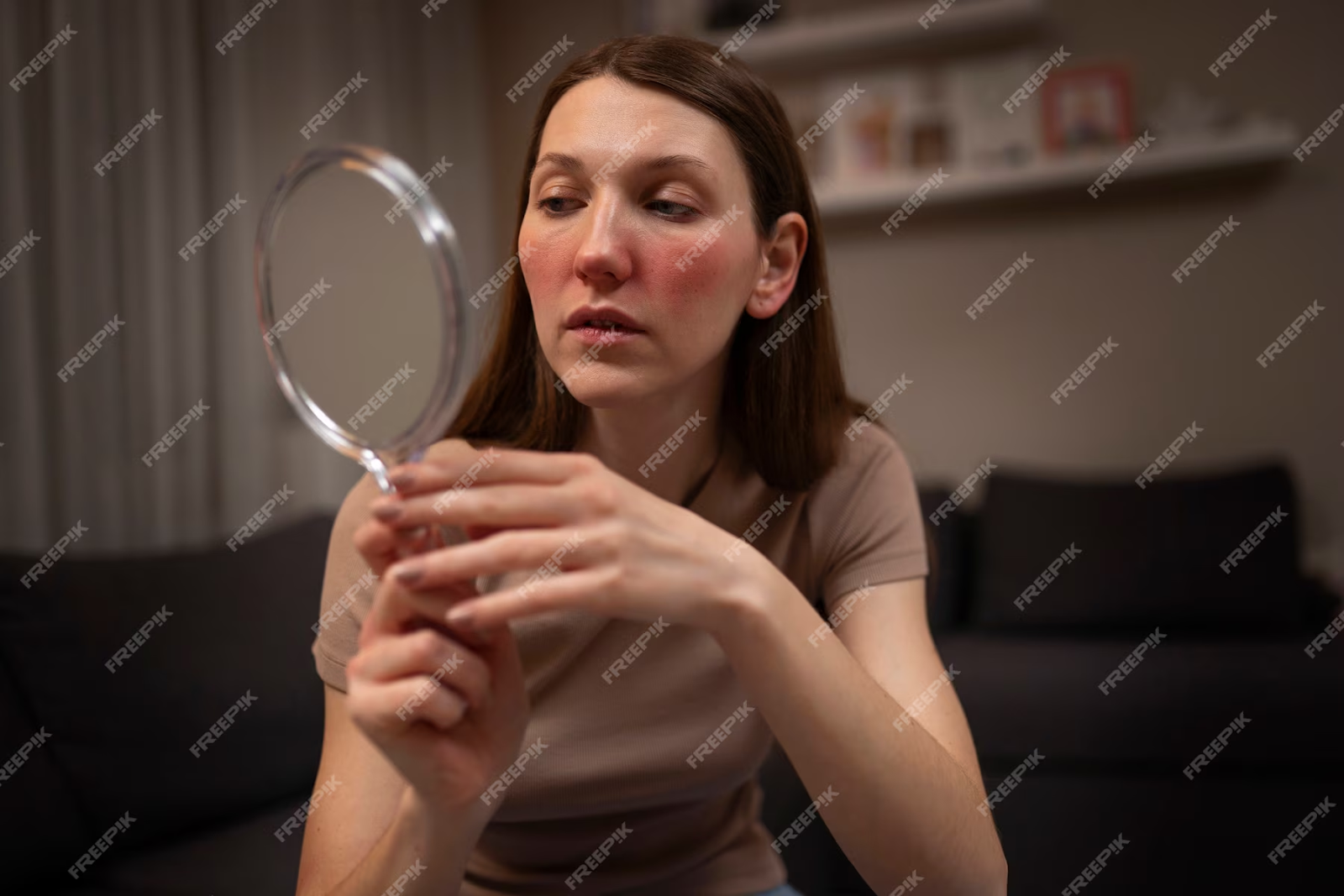
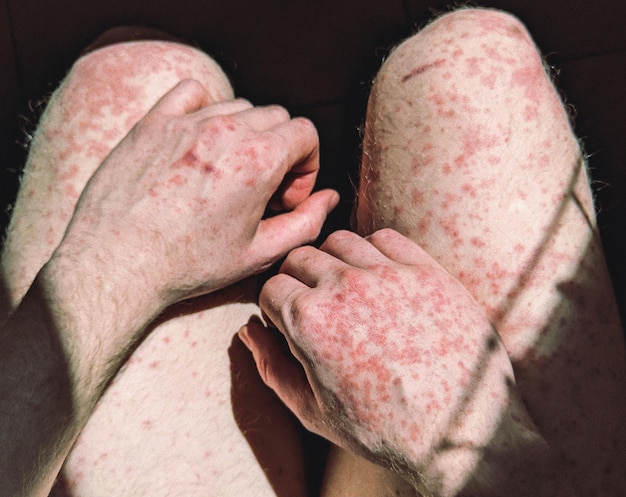
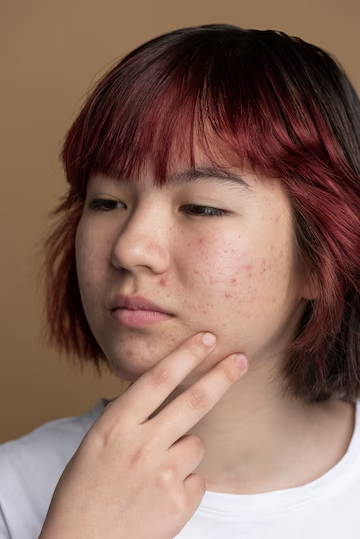
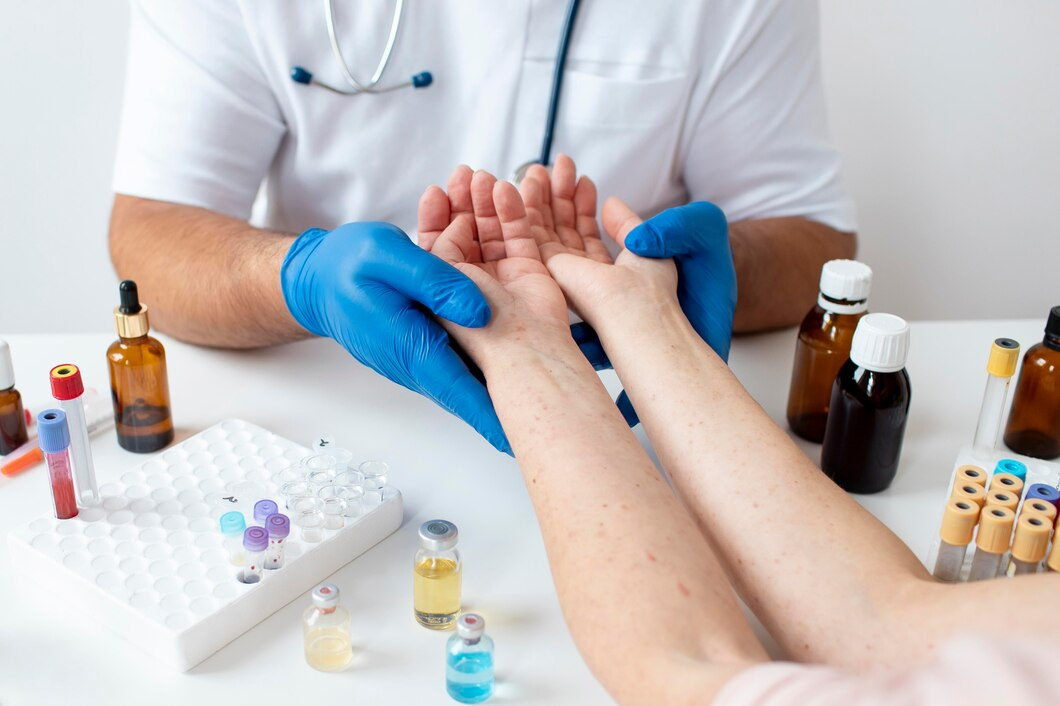
Regular self-examination of the skin is crucial for the early detection of skin cancer, including melanoma. Suspicious moles or lesions can often be detected early through self-examination, allowing for prompt medical evaluation and treatment if necessary. This guide provides step-by-step instructions on how to perform a thorough self-examination of your skin to identify any potentially concerning moles or lesions.
Why Self-Examination is Important:

Skin cancer, including melanoma, is the most common type of cancer globally. Early detection is key to successful treatment and improved outcomes. By performing regular self-examinations of the skin, individuals can become familiar with their moles and lesions, making it easier to identify any changes that may indicate skin cancer.

Step-by-Step Guide to Self-Examination:

1. Choose a Well-Lit Room:

Begin by selecting a well-lit room with ample natural or artificial light. A full-length mirror and a hand-held mirror may be helpful for examining hard-to-reach areas.

2. Undress Completely:

Remove all clothing and accessories to ensure that every part of your skin is visible and accessible for examination.

3. Start with the Face and Scalp:

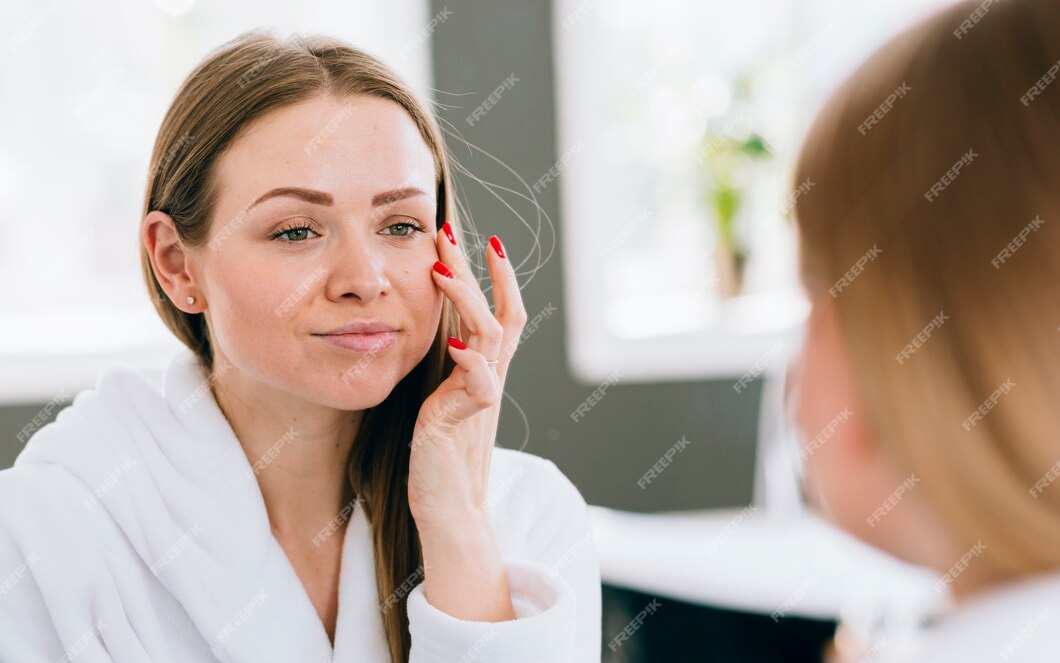
Examine your face, including the nose, lips, ears, and eyelids. Use a hand-held mirror to check the scalp, parting the hair to inspect for any irregularities or new moles.

4. Move to the Neck and Chest:

Proceed to examine the neck, chest, and shoulders. Pay attention to areas that receive frequent sun exposure, such as the neckline and upper chest.

5. Inspect the Arms and Hands:

Examine both arms, including the tops of the hands, palms, and fingers. Don't forget to check the spaces between the fingers and under the nails.

6. Examine the Torso and Abdomen:

Use a full-length mirror to inspect the torso, abdomen, and back. Use a hand-held mirror or seek assistance from a partner or family member to examine hard-to-see areas of the back.

7. Check the Legs and Feet:

Finally, examine both legs, including the tops of the feet, soles, toes, and toenails. Pay close attention to any moles or lesions that appear asymmetrical, have irregular borders, exhibit multiple colors, or have increased in size or thickness.

8. Use the ABCDE Rule:

When examining moles, use the ABCDE rule as a guide:

  • Asymmetry: One half of the mole does not match the other half.

  • Border: The edges of the mole are irregular, ragged, or blurred.

  • Color: The mole has uneven coloring or multiple shades of brown, black, red, white, or blue.

  • Diameter: The mole is larger than the size of a pencil eraser (about 6 mm or ¼ inch) in diameter.

  • Evolution: The mole has changed in size, shape, color, or elevation, or new symptoms such as itching, bleeding, or crusting have developed.

9. Take Note of Any Changes:

Keep a record of any moles or lesions that appear suspicious or undergo changes over time. Note the location, size, color, and any other relevant characteristics of the mole.

10. Seek Medical Evaluation:

If you notice any moles or lesions that exhibit concerning features or undergo changes, seek prompt evaluation by a dermatologist or healthcare professional. Early detection and treatment of skin cancer can significantly improve outcomes.

Conclusion:

Regular self-examination of the skin is a simple yet essential practice for detecting skin cancer, including melanoma, in its early stages. By following these step-by-step instructions and using the ABCDE rule as a guide, individuals can perform thorough self-examinations and identify any suspicious moles or lesions that may require further evaluation. Remember to seek medical attention if you notice any changes or abnormalities in your skin, as early detection is key to successful treatment and improved outcomes.


FAQs:

1. How often should I perform a skin self-examination?

It is recommended to perform a skin self-examination once a month to monitor for any changes or new developments in moles or lesions. Individuals with a history of skin cancer or increased risk factors may benefit from more frequent self-examinations.


2. What are the warning signs of skin cancer?

Warning signs of skin cancer include changes in the size, shape, color, or texture of moles or lesions, as well as the development of new moles or lesions that exhibit irregular features such as asymmetry, irregular borders, uneven coloring, or increased diameter.


3. Is it necessary to see a dermatologist for a suspicious mole?

Yes, it is advisable to seek evaluation by a dermatologist or healthcare professional if you notice any moles or lesions that appear suspicious or undergo changes over time. A dermatologist can perform a thorough examination, possibly conduct a biopsy if necessary, and provide appropriate treatment recommendations.


4. Are all moles and freckles considered cancerous?

No, not all moles and freckles are cancerous. Most moles and freckles are benign (non-cancerous) and pose no health risk. However, it is essential to monitor moles for any changes or abnormalities and seek medical evaluation if you have concerns about a particular mole or lesion.


5. Can skin cancer be cured if detected early?

Yes, skin cancer, including melanoma, is highly treatable when detected early. Early detection allows for prompt medical intervention, including surgical removal of the cancerous lesion, targeted therapy, immunotherapy, or other treatment modalities as appropriate. Regular self-examination and routine skin checks by a dermatologist are crucial for early detection and treatment of skin cancer.

Tuesday, 12 March 2024

Topical Treatments for Warts: Salicylic Acid and Prescription Creams

Warts are common skin growths caused by the human papillomavirus (HPV). While warts are generally harmless, they can be unsightly and cause discomfort, particularly if they develop on areas of friction or pressure, such as the hands, feet, or genital area. Topical treatments are often used to target warts, with salicylic acid and prescription creams being among the most commonly recommended options. This guide provides an overview of these topical treatments, their mechanisms of action, efficacy, and considerations for use in wart management.

Understanding Warts:

Before discussing topical treatments, it's essential to understand the nature of warts:

1. Causes of Warts:

Warts are caused by infection with the human papillomavirus (HPV), a group of viruses that can infect the skin and mucous membranes. HPV enters the body through small cuts or breaks in the skin and stimulates the rapid growth of cells, leading to the formation of warts.

2. Types of Warts:

There are several types of warts, including common warts (verruca vulgaris), plantar warts (on the soles of the feet), flat warts (on the face and hands), and genital warts (on the genital and anal areas). Each type of wart may have distinct clinical features and locations.

3. Transmission of Warts:

Warts are contagious and can be spread through direct contact with an infected person or contaminated surfaces. Factors such as compromised immune function, skin trauma, and prolonged exposure to moist environments can increase the risk of wart development.

Topical Treatments for Warts:

Topical treatments are often the first-line approach for managing warts, as they are non-invasive, convenient, and generally well-tolerated. Two of the most commonly used topical treatments for warts include:

1. Salicylic Acid:

Salicylic acid is a keratolytic agent that works by breaking down the protein structure of the wart and promoting the shedding of dead skin cells. Salicylic acid is available over-the-counter (OTC) in various formulations, including solutions, gels, pads, and plasters.

Mechanism of Action: Salicylic acid softens the skin and helps dissolve the thickened outer layer of the wart, allowing it to gradually slough off over time. Regular application of salicylic acid can help reduce the size and appearance of warts and may ultimately lead to their complete resolution.

Efficacy: Salicylic acid is effective for treating many types of warts, including common warts and plantar warts. It may take several weeks or months of consistent use to achieve optimal results, and multiple treatment sessions may be necessary.

Considerations: Salicylic acid should be applied as directed, typically once daily or as instructed by a healthcare professional. It is essential to protect the surrounding healthy skin with petroleum jelly or a similar barrier ointment to prevent irritation or damage.

2. Prescription Creams:

Prescription-strength topical creams containing ingredients such as imiquimod, podophyllotoxin, or cantharidin may be prescribed by a healthcare provider for the treatment of warts, particularly genital warts or refractory cases that do not respond to OTC treatments.

Mechanism of Action: Prescription creams work through various mechanisms, including stimulating the immune system to target HPV-infected cells (imiquimod), disrupting wart cell growth and replication (podophyllotoxin), or causing blistering and tissue destruction (cantharidin).

Efficacy: Prescription creams can be highly effective for treating genital warts and other types of warts that are resistant to OTC treatments. They are typically applied directly to the affected area according to the healthcare provider's instructions.

Considerations: Prescription creams should only be used under the guidance of a healthcare professional, as they may have specific application instructions, potential side effects, and contraindications. Some prescription creams, such as those containing podophyllotoxin, are not suitable for use during pregnancy or breastfeeding.

Combining Treatments and Follow-Up:

In some cases, healthcare providers may recommend combining topical treatments with other wart removal techniques, such as cryotherapy (freezing), laser therapy, or surgical excision, to achieve optimal results. Additionally, regular follow-up appointments may be necessary to monitor treatment progress, assess for recurrence, and adjust the treatment plan as needed.

Conclusion:

Topical treatments, including salicylic acid and prescription creams, are effective options for managing warts and promoting their resolution. These treatments work by targeting the wart tissue directly, breaking down its structure, and stimulating the body's immune response to eliminate the virus. When used as directed and under the guidance of a healthcare professional, topical treatments can help reduce wart size, alleviate symptoms, and improve overall skin health.


FAQs:

1. How long does it take for topical treatments to work on warts?

The time it takes for topical treatments to produce noticeable improvements in wart size and appearance can vary depending on the type and location of the wart, as well as the specific treatment used. In general, it may take several weeks or months of consistent treatment to achieve optimal results.


2. Are topical treatments suitable for all types of warts?

Topical treatments such as salicylic acid are generally effective for treating common warts and plantar warts. However, certain types of warts, such as genital warts, may require different treatment approaches, including prescription-strength topical creams or other interventions.


3. Can topical treatments cause side effects or complications?

While topical treatments are generally safe and well-tolerated, they may cause mild side effects such as skin irritation, redness, or discomfort at the application site. Rarely, topical treatments may cause allergic reactions or other adverse effects. It's essential to follow the recommended application instructions and consult a healthcare professional if you experience any adverse reactions.


4. Can topical treatments prevent warts from spreading to other areas of the body or to other people?

Topical treatments may help reduce the size and spread of existing warts but may not necessarily prevent new warts from developing or prevent the spread of the virus to other areas of the body or to other individuals. Practicing good hygiene, avoiding direct contact with warts, and using barrier methods during sexual activity can help reduce the risk of HPV transmission.


5. When should I see a healthcare professional for wart treatment?

If you have persistent or bothersome warts that do not respond to OTC treatments or if you develop new or unusual symptoms such as bleeding, pain, or changes in wart appearance, it's essential to consult a healthcare professional for evaluation and appropriate management. Healthcare providers can offer personalized treatment recommendations based on your individual needs and circumstances.


Monday, 11 March 2024

Salicylic Acid in Skincare: Benefits and Precautions

Salicylic acid is a well-known skincare ingredient renowned for its efficacy in treating various skin concerns, particularly acne and hyperpigmentation. Derived from the bark of the willow tree, salicylic acid belongs to the beta hydroxy acid (BHA) family and boasts a range of benefits for the skin. This comprehensive guide explores the benefits, uses, potential side effects, and precautions associated with salicylic acid in skincare.

Benefits of Salicylic Acid in Skincare:

1. Acne Treatment:

One of the primary benefits of salicylic acid is its effectiveness in treating acne. It penetrates deep into the pores, unclogging them and reducing the formation of acne lesions such as blackheads, whiteheads, and pimples. Salicylic acid also has anti-inflammatory properties, which help calm redness and swelling associated with acne breakouts.

2. Exfoliation and Cell Renewal:

Salicylic acid is a keratolytic agent, meaning it promotes the shedding of dead skin cells from the surface of the skin. By exfoliating the skin, salicylic acid helps improve skin texture, minimize the appearance of pores, and enhance overall radiance. Regular use of salicylic acid can lead to smoother, more even-toned skin with reduced signs of dullness and roughness.

3. Treatment of Hyperpigmentation:

Salicylic acid is also beneficial for addressing hyperpigmentation, including dark spots, sun spots, and post-inflammatory hyperpigmentation (PIH) left behind by acne breakouts. By exfoliating the skin and promoting cell turnover, salicylic acid helps fade pigmented areas over time, revealing a more uniform complexion.

4. Oil Control:

Salicylic acid has the ability to regulate oil production in the skin, making it particularly beneficial for individuals with oily or combination skin types. By reducing excess oiliness, salicylic acid helps prevent clogged pores and breakouts, leading to a clearer and more balanced complexion.

Precautions and Potential Side Effects:

While salicylic acid is generally considered safe for topical use, it may cause certain side effects, particularly in individuals with sensitive skin or specific medical conditions. Common precautions and potential side effects include:

1. Skin Irritation:

Some individuals may experience skin irritation, redness, or stinging upon initial application of salicylic acid-containing products. This is more common with higher concentrations of salicylic acid and may subside with continued use or by adjusting the frequency of application.

2. Dryness and Flakiness:

Salicylic acid can have a drying effect on the skin, especially when used in high concentrations or in conjunction with other drying ingredients such as retinoids or benzoyl peroxide. It is important to moisturize the skin adequately and use hydrating products to mitigate potential dryness and flakiness.

3. Increased Sun Sensitivity:

Salicylic acid may increase the skin's sensitivity to sunlight, making it more prone to sunburn and UV damage. It is essential to apply sunscreen daily, especially when using salicylic acid-containing products, and to limit sun exposure, particularly during peak hours.

4. Allergic Reactions:

In rare cases, individuals may experience allergic reactions to salicylic acid, including itching, rash, hives, or swelling of the face, lips, or tongue. If any of these symptoms occur, discontinue use immediately and seek medical attention.

5. Avoidance During Pregnancy and Breastfeeding:

While salicylic acid is generally considered safe for topical use, pregnant or breastfeeding individuals should consult a healthcare professional before using salicylic acid-containing products. High concentrations of salicylic acid or prolonged use may pose potential risks to the developing fetus or nursing infant.

Conclusion:

Salicylic acid is a versatile skincare ingredient with numerous benefits for the skin, including acne treatment, exfoliation, hyperpigmentation treatment, and oil control. By incorporating salicylic acid into a skincare routine, individuals can achieve clearer, smoother, and more radiant-looking skin. However, it is essential to use salicylic acid products with caution, particularly for individuals with sensitive skin or specific medical conditions. By following precautions and being mindful of potential side effects, individuals can harness the power of salicylic acid to achieve their skincare goals safely and effectively.


FAQs:

1. Can salicylic acid be used with other skincare ingredients?

Yes, salicylic acid can be used in conjunction with other skincare ingredients, such as antioxidants, hyaluronic acid, and niacinamide, to address specific skin concerns. However, it is essential to avoid combining salicylic acid with other exfoliating agents, such as alpha hydroxy acids (AHAs) or retinoids, to prevent excessive irritation or sensitivity.


2. How often should salicylic acid be used in a skincare routine?

The frequency of salicylic acid usage depends on individual skin tolerance and the concentration of the product. It is generally recommended to start with lower concentrations (e.g., 0.5% to 2%) and gradually increase the frequency of use as tolerated. For most individuals, using salicylic acid once or twice daily is sufficient for optimal results.


3. Can salicylic acid help with stubborn acne breakouts?

Yes, salicylic acid is effective in treating stubborn acne breakouts, including blackheads, whiteheads, and inflammatory lesions. Its exfoliating and anti-inflammatory properties help unclog pores, reduce acne-causing bacteria, and calm inflammation, leading to clearer and healthier-looking skin over time.


4. Is salicylic acid suitable for all skin types?

Salicylic acid is generally suitable for most skin types, including oily, combination, and acne-prone skin. However, individuals with dry or sensitive skin may experience excessive dryness or irritation with salicylic acid use. It is advisable to perform a patch test and start with lower concentrations to assess skin tolerance before incorporating salicylic acid into a skincare routine.


5. Can salicylic acid be used during the day or at night?

Salicylic acid can be used during both daytime and nighttime skincare routines. However, it is important to use sunscreen during the day when using salicylic acid, as it may increase the skin's sensitivity to sunlight. For individuals with sensitive skin, using salicylic acid at night may be preferable to minimize potential irritation during the daytime.


Saturday, 9 March 2024

Psoriasis Myths Debunked: Dispelling Common Misconceptions

Welcome to a journey of enlightenment where we unravel the mysteries surrounding Psoriasis. In this comprehensive guide, we will navigate through prevalent misconceptions, backed by expert insights and first-hand experiences. Get ready to challenge your understanding of Psoriasis and emerge with a newfound clarity.

Psoriasis Myths Debunked: Dispelling Common Misconceptions

1. Understanding Psoriasis

In this section, we delve into the basics of Psoriasis, laying the foundation for dispelling myths. Gain insights into the causes, symptoms, and common triggers of this skin condition.

2. The Reality Behind Psoriasis Triggers

Explore the factors that can exacerbate Psoriasis symptoms. From stress to lifestyle choices, understanding triggers is crucial for effective management.

3. Debunking the “It’s Just a Skin Condition” Myth

Psoriasis goes beyond skin-deep. Uncover the impact it can have on mental health, challenging the misconception that it’s merely a superficial issue. Click here for more information visit this webpage.

4. “Psoriasis is Contagious” — Busting the Myth

Addressing a widespread misconception, we clarify the truth behind Psoriasis being contagious and provide valuable information for dispelling fears.

5. Lifestyle Modifications for Psoriasis Management

Discover practical lifestyle changes that can positively impact Psoriasis. From dietary considerations to stress management, these tips empower individuals on their journey to better skin health.

6. The Role of Genetics in Psoriasis

Separating fact from fiction, this section explores the genetic components of Psoriasis. Gain a deeper understanding of how family history may influence its development.

7. Myth: “Psoriasis is a Result of Poor Hygiene”

Challenge the stigma surrounding Psoriasis and hygiene. Learn why cleanliness is not the root cause and how awareness can combat misinformation.

8. Dispelling the Sunscreen Myth

Explore the relationship between Psoriasis and sunlight exposure. Understand the role of sunlight in both aggravating and alleviating symptoms.

9. Psoriasis Treatments Unveiled

Navigate through various treatment options, separating effective therapies from myths. Empower yourself with knowledge to make informed decisions about Psoriasis management.

10. Living Positively with Psoriasis

Concluding our journey, this section provides inspiration and tips for cultivating a positive mindset while living with Psoriasis. Embrace empowerment and resilience.

FAQs (Frequently Asked Questions)

Can Psoriasis be Cured?

Psoriasis is a chronic condition, but effective management strategies can significantly reduce symptoms and improve quality of life.

Is Psoriasis Contagious?

No, Psoriasis is not contagious. It is an autoimmune condition with a genetic component, and it cannot be transmitted through contact.

What Role Does Diet Play in Psoriasis Management?

While no specific diet can cure Psoriasis, a healthy and balanced diet can contribute to overall well-being and may positively impact symptoms.

Are Over-the-Counter Creams Sufficient for Psoriasis Treatment?

Over-the-counter creams may provide relief for mild cases, but consulting a healthcare professional for personalized treatment is essential for more severe symptoms.

Can Psoriasis Affect Mental Health?

Yes, Psoriasis can have a significant impact on mental health. Managing stress and seeking support are crucial aspects of holistic Psoriasis care.

Does Sunlight Help or Worsen Psoriasis?

Sunlight can have both positive and negative effects on Psoriasis. It’s essential to strike a balance and practice sun safety while considering its benefits.

Conclusion

In this comprehensive exploration of Psoriasis myths, we’ve dismantled misconceptions, providing you with accurate information to navigate your Psoriasis journey. Remember, knowledge is a powerful tool in fostering understanding and acceptance.


Friday, 8 March 2024

Holistic Approaches to Psoriasis Management: Mind-Body Connection

Embracing a holistic perspective in psoriasis management goes beyond mere symptom control — it involves understanding the profound connection between mind and body. In this comprehensive guide, we explore diverse strategies and insights to empower individuals in managing psoriasis effectively.

Cropped image of woman

Holistic Approaches to Psoriasis Management: Mind-Body Connection

Understanding Psoriasis: A Holistic Overview

Embark on a journey to comprehend the intricate nature of psoriasis. Delve into the mind-body connection and how it manifests in this skin condition.

Mindful Living: A Key Element in Psoriasis Care

Explore the impact of mindful living on psoriasis management. Discover how stress reduction, meditation, and mindfulness practices can contribute to healthier skin.

Nutrition: Nourishing Your Skin from Within

Uncover the role of nutrition in psoriasis care. From anti-inflammatory foods to hydration, learn how dietary choices can influence the severity of psoriasis symptoms. Click here for more information visit this webpage.

Physical Activity and Psoriasis: Striking the Right Balance

Dive into the world of physical activity and its impact on psoriasis. Find the optimal balance between exercise and rest to promote overall well-being.

Alternative Therapies: Holistic Approaches Beyond Conventional Medicine

Explore alternative therapies such as acupuncture, herbal treatments, and aromatherapy in managing psoriasis. Understand their potential benefits and considerations.

Holistic Skincare: Nurturing Your Skin Naturally

Discover holistic skincare practices tailored for psoriasis sufferers. From soothing baths to natural topical remedies, explore gentle approaches for healthier skin.

Psoriasis and Mental Health: Breaking the Stigma

Address the often-overlooked link between psoriasis and mental health. Learn coping mechanisms, psychological support, and the importance of holistic well-being.

Connecting with Others: Support Groups and Community

Navigate the challenges of psoriasis with the support of a community. Explore the significance of connecting with others facing similar experiences for emotional well-being.

Personal Stories: Real People, Real Results

Gain inspiration from real-life stories of individuals successfully managing psoriasis through holistic approaches. Discover practical tips and motivational insights.

Professional Guidance: Collaborating with Healthcare Providers

Understand the importance of collaboration between patients and healthcare providers. Learn how to integrate holistic approaches into conventional medical care for optimal results.

Conclusion

Embarking on a holistic journey in psoriasis management empowers individuals to take control of their well-being. By understanding the mind-body connection and implementing comprehensive strategies, one can navigate the challenges of psoriasis with resilience and optimism.


Topical Alpha Agonists for Erythematotelangiectatic Rosacea

Erythematotelangiectatic rosacea is a subtype of rosacea characterized by persistent facial redness, visible blood vessels, and flushing ep...