Thursday, 7 March 2024

Psoriasis and Self-Care: Building a Wellness Routine for Skin and Mind

Embarking on a journey of self-care is crucial for individuals dealing with psoriasis. This comprehensive guide explores ways to build a wellness routine that not only nurtures the skin but also fosters mental well-being. From expert advice to personal experiences, delve into the holistic approach of caring for both skin and mind.
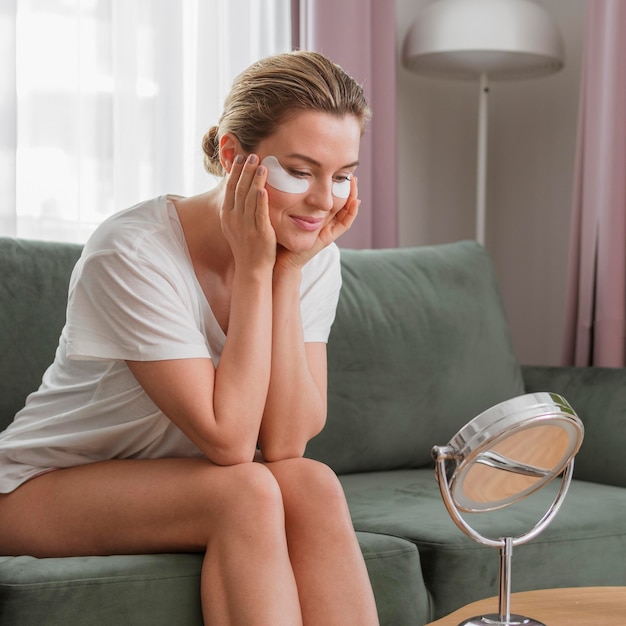
Reducing dark circles patches self care concept


Psoriasis and Self-Care: Building a Wellness Routine for Skin and Mind

Understanding Psoriasis: A Deep Dive

In this section, gain insights into the nature of psoriasis, its triggers, and how understanding the condition is the first step towards effective self-care.

Psoriasis Management Techniques

Explore various techniques to manage psoriasis symptoms, including LSI Keywords such as “Psoriasis management” and “Skin care for psoriasis.”For more information visit this webpage.

Mind-Body Connection: Impact on Psoriasis

Uncover the intricate relationship between the mind and psoriasis. Learn how mental well-being can influence the severity of symptoms and discover mindfulness techniques for a holistic approach.

Crafting a Personalized Skincare Routine

Delve into the art of creating a skincare routine tailored to psoriasis needs. Find expert advice on suitable products, ingredients, and daily practices.

Nutrition and Psoriasis: A Balanced Approach

Explore the role of nutrition in managing psoriasis. Discover LSI Keywords like “Psoriasis-friendly diet” and “Nutrition for skin health” for a well-rounded discussion.

Holistic Therapies: Beyond Conventional Approaches

Discover alternative therapies complementing traditional methods. Explore the benefits of yoga, meditation, and acupuncture in psoriasis management.

Daily Habits for Psoriasis Wellness

Incorporate small changes into your daily life for significant improvements. Explore practical, achievable habits that contribute to overall well-being.

Coping with Psoriasis: Mental Health Strategies

Address the emotional aspects of living with psoriasis. Learn coping mechanisms, stress-relief techniques, and the importance of seeking professional support.

Psoriasis and Relationships: Nurturing Connections

Explore the impact of psoriasis on relationships and discover ways to foster understanding and support within personal connections.

FAQs on Psoriasis and Self-Care

Is psoriasis curable with self-care alone?

Psoriasis is a chronic condition, but effective self-care can significantly manage and alleviate symptoms. Consult a dermatologist for personalized advice.

How does stress affect psoriasis?

Stress is a known trigger for psoriasis flare-ups. Incorporating stress-relief techniques into your routine can positively impact psoriasis management.

What skincare products are suitable for psoriasis-prone skin?

Look for products with gentle ingredients like aloe vera and colloidal oatmeal. Avoid harsh chemicals, and always perform a patch test before regular use.

Can diet really influence psoriasis symptoms?

Yes, adopting a psoriasis-friendly diet rich in anti-inflammatory foods may help manage symptoms. Consult a nutritionist for personalized dietary recommendations.

Are holistic therapies effective for psoriasis?

While not a replacement for medical treatment, holistic therapies like yoga and meditation can complement conventional approaches and improve overall well-being.

How can I support a loved one with psoriasis?

Offer understanding, encouragement, and educate yourself about psoriasis. Emotional support plays a crucial role in helping a loved one navigate their psoriasis journey.

Conclusion

Building a wellness routine for psoriasis involves a harmonious blend of skincare, nutrition, and mental well-being. By incorporating these strategies, individuals can embark on a journey towards improved skin health and overall quality of life.


Wednesday, 6 March 2024

Eczema and Allergies: Unraveling the Connection

Introduction

Embarking on the journey to understand the intricate link between Eczema and Allergies opens a door to a realm of complexities and potential solutions. In this comprehensive guide, we will delve into the nuances of this relationship, offering insights, expert advice, and practical tips to empower you on your health journey.

Front view of young woman hurt her arm on yellow wall

1. Decoding the Puzzle: Eczema Explained

Unraveling the connection starts with understanding the fundamental nature of eczema. Dive into the basics of this skin condition, exploring its triggers and manifestations. Gain insights into the role of genetics and environmental factors in eczema development.

2. Allergies Unveiled: Catalysts for Eczema Flare-ups

Explore the intricate web of allergies as catalysts for eczema flare-ups. Identify common allergens, environmental triggers, and the body’s immune response. Uncover the ways in which allergies contribute to the exacerbation of eczema symptoms.

3. Overlap and Interaction: Where Eczema Meets Allergies

Discover the points of overlap and interaction between eczema and allergies. Delve into the scientific mechanisms behind their connection, shedding light on how these two seemingly distinct conditions can influence each other.

4. Lifestyle Choices for Eczema and Allergy Management

Empower yourself with actionable lifestyle choices to manage eczema and allergies effectively. From dietary considerations to environmental modifications, explore a holistic approach to mitigate symptoms and enhance overall well-being. Click here for more information visit this webpage.

5. Innovations in Treatment: Navigating the Landscape

Stay informed about the latest innovations in treating eczema and allergies. From advanced medications to alternative therapies, gain insights into the evolving landscape of treatments and their efficacy in providing relief.

6. Expert Perspectives: Insights from Dermatologists and Allergists

Tap into the wisdom of experts in the field. Dermatologists and allergists share their perspectives on the dynamic relationship between eczema and allergies, offering invaluable advice for those navigating the challenges posed by these conditions.

7. My Journey: A Personal Account of Living with Eczema and Allergies

Embark on a personal journey through the eyes of someone living with both eczema and allergies. Gain firsthand insights into the daily challenges, triumphs, and coping mechanisms employed to navigate life with these intertwined conditions.

FAQs

Q: Can allergies cause eczema? 

A: While allergies don’t directly cause eczema, they can trigger flare-ups and exacerbate existing symptoms in individuals predisposed to this skin condition.

Q: Are there specific foods that worsen eczema in allergic individuals?

 A: Yes, certain foods like dairy, nuts, and shellfish may exacerbate eczema symptoms in individuals with allergies. Identifying and avoiding trigger foods is crucial for managing both conditions.

Q: Is eczema hereditary, and can it be passed down through generations? 

A: There is a genetic component to eczema, making it more likely for individuals with a family history of the condition to develop it. However, environmental factors also play a significant role.

Q: How can one differentiate between eczema and allergy-related skin reactions?

 A: Eczema often presents as dry, itchy skin with red patches, while allergy-related skin reactions may include hives, swelling, or redness. Consulting with a healthcare professional for an accurate diagnosis is essential.

Q: Can managing allergies alleviate eczema symptoms? 

A: Yes, effectively managing allergies can contribute to reducing eczema symptoms. Identifying and avoiding allergens, along with appropriate medical interventions, can improve overall skin health.

Q: Are there natural remedies for relieving eczema and allergy symptoms? 

A: Some individuals find relief through natural remedies such as oatmeal baths, coconut oil, and chamomile. However, it’s crucial to consult with a healthcare professional before incorporating these remedies into a treatment plan.

Conclusion

Navigating the intricate connection between Eczema and Allergies requires a blend of knowledge, awareness, and personalized strategies. By understanding the underlying mechanisms, exploring treatment innovations, and incorporating lifestyle modifications, individuals can take proactive steps toward managing and improving their overall well-being.


Tuesday, 5 March 2024

Skin Cancer and Aging: Addressing Risks in the Elderly Population

As we age, our skin undergoes various changes, making us more susceptible to certain health risks, including skin cancer. In this comprehensive guide, we delve into the intricate relationship between skin cancer and aging, addressing risks specific to the elderly population. From understanding the physiological changes to actionable prevention strategies, this article aims to equip you with knowledge to safeguard against skin cancer as you age.

Skin Cancer and Aging: Addressing Risks in the Elderly Population

Understanding Skin Aging Explore the physiological changes in aging skin, from reduced collagen production to diminished elasticity. Uncover how these changes contribute to heightened vulnerability to skin cancer.

Common Types of Skin Cancer Delve into the different types of skin cancer prevalent in the elderly, such as basal cell carcinoma, squamous cell carcinoma, and melanoma. Understand their characteristics and potential risks.

The Role of UV Radiation Examine the impact of prolonged sun exposure on aging skin. Learn how UV radiation increases the likelihood of skin cancer and discover effective sun protection measures. For more information visit this webpage.

Skin Cancer Symptoms in the Elderly Recognize the signs and symptoms of skin cancer in the elderly. From changes in moles to persistent skin lesions, awareness is key to early detection and intervention.

Preventive Measures for Elderly Individuals Empower yourself with practical tips for preventing skin cancer in your golden years. From regular skin examinations to adopting sun-safe practices, discover proactive steps for minimizing risk.

Skin Cancer Treatments for the Elderly Explore age-appropriate treatment options for elderly individuals diagnosed with skin cancer. Understand the importance of personalized care plans and discuss these with healthcare providers.

FAQs: Skin Cancer and Aging

Can elderly individuals develop skin cancer even if they haven’t had significant sun exposure throughout their lives? 

Yes, aging itself can contribute to skin cancer risk due to natural physiological changes.


Are there specific signs of skin cancer that seniors should be particularly vigilant about? 

Yes, any unusual changes in moles, persistent sores, or sudden alterations in skin texture should prompt immediate medical attention.

What role does genetics play in the susceptibility of elderly individuals to skin cancer? 

Genetics can influence skin cancer risk, but it’s crucial to combine genetic factors with sun-safe practices for comprehensive protection.

How often should elderly individuals undergo skin examinations for early detection of skin cancer?

 Regular skin examinations, at least annually, are recommended for timely identification of potential issues.

Are there lifestyle modifications that can effectively reduce skin cancer risks in the elderly? 

Yes, adopting sun-protective habits, staying hydrated, and maintaining a balanced diet contribute to overall skin health.

Can skin cancer treatments be more challenging for elderly individuals, considering their age? 

Treatment plans are tailored to individual health conditions, and age-appropriate options are available to ensure effective and manageable interventions.


Conclusion

In conclusion, understanding the intricate relationship between skin cancer and aging is paramount for the elderly population. By recognizing the risks, symptoms, and adopting preventive measures, individuals can proactively address skin cancer concerns. Stay informed, prioritize regular check-ups, and embrace a sun-safe lifestyle to age gracefully while safeguarding your skin.


Monday, 4 March 2024

Mole Mapping: A Comprehensive Approach to Skin Cancer Prevention

 Mole Mapping: A Comprehensive Approach to Skin Cancer PreventionIn the pursuit of holistic health, skin cancer prevention holds paramount importance. Mole Mapping emerges as a comprehensive strategy, providing insights into early detection and proactive measures. This article delves into the nuances of Mole Mapping, ensuring you’re equipped with the knowledge to safeguard your skin.

Female doctor diagnosing a melanoma on the body of a female patient


Unveiling Mole Mapping

Mole Mapping Defined

Understanding Skin Cancer Risks

The Significance of Regular Skin Checks

Why Regular Skin Checks Matter

Identifying Suspicious Moles

Mole Mapping Process

A Step-by-Step Guide

Utilizing Technology for Precise Mapping

Key Benefits of Mole Mapping

Early Detection Saves Lives

Empowering Individuals Through Awareness

Mole Mapping in Practice

Real-Life Experiences

Navigating Skin Health Challenges

Integrating Mole Mapping into Your Routine

Making Prevention a Priority

Creating a Skin-Healthy Lifestyle

Expert Insights on Mole Mapping

Professional Recommendations

First-Hand Experiences with Mole Mapping

Frequently Asked Questions (FAQs)

What is Mole Mapping?

Mole Mapping is a proactive method for monitoring and detecting changes in moles, aiding in the early diagnosis of potential skin cancers.

How often should one undergo Mole Mapping?

For optimal results, individuals are advised to undergo Mole Mapping annually. However, frequency may vary based on personal and family medical history.

Is Mole Mapping suitable for everyone?

Yes, Mole Mapping is beneficial for individuals of all ages and skin types. It serves as a preventive measure, detecting abnormalities early on.

Can Mole Mapping detect all types of skin cancers?

While effective, Mole Mapping primarily focuses on melanomas and may not detect all types of skin cancers. Regular skin checks are recommended for comprehensive screening.

Is Mole Mapping painful?

No, Mole Mapping is a non-invasive procedure. It involves capturing images of your moles for analysis, ensuring a pain-free experience.

Are self-checks sufficient for skin cancer prevention?

While self-checks are valuable, Mole Mapping offers a more thorough examination, leveraging technology for precise and early detection.

Conclusion

As we navigate the landscape of skin health, Mole Mapping stands out as a beacon of prevention. This comprehensive approach empowers individuals to take charge of their well-being. By incorporating regular Mole Mapping into your routine, you embark on a journey of early detection and proactive skin cancer prevention.Click here for more information visit this webpage.


Sunday, 3 March 2024

Psoriasis and Weather: How Seasonal Changes Affect Your Skin

Understanding the intricate relationship between psoriasis and weather is crucial for effective skincare. As we explore this dynamic, we’ll delve into ten comprehensive sections, shedding light on the diverse aspects of how seasonal variations influence psoriasis.

Portrait of alluring woman

Psoriasis and Weather: How Seasonal Changes Affect Your Skin

The Dance of the Elements: An Overview

Embark on a journey through the seasons and witness the profound impact they wield on individuals grappling with psoriasis. From scorching summers to icy winters, each weather extremity has a unique story to tell. For more information visit this webpage.

Unveiling Psoriasis Triggers in Hot Climates

Explore the challenges and triumphs faced by individuals with psoriasis during the summer months. From increased sun exposure to rising temperatures, discover effective strategies to navigate the heat without exacerbating psoriasis symptoms.

Winter’s Chill: Navigating Psoriasis in Cold Weather

Dive into the complexities of managing psoriasis amidst winter’s cold embrace. Learn how low temperatures, dry air, and reduced sunlight can influence flare-ups, and uncover winter skincare routines tailored for psoriasis-prone skin.

Spring Awakening: Hope and Challenges for Psoriasis

As nature awakens in spring, so do unique challenges for those with psoriasis. Explore the balance between rejuvenation and potential triggers during this transitional season, and gain insights into adapting your skincare routine accordingly.

Autumn’s Palette: Managing Psoriasis Amidst Falling Leaves

Amidst the falling leaves of autumn, discover the nuances of handling psoriasis. Explore how changes in humidity, allergens, and falling temperatures can impact skin health, and learn preventive measures to embrace the beauty of autumn without compromising well-being.

How Humidity Levels Influence Psoriasis

Unravel the connection between humidity and psoriasis flare-ups. Whether in the dryness of winter or the humidity of summer, understanding how moisture levels affect the skin is pivotal for effective psoriasis management.

The Sun’s Role: Friend or Foe for Psoriasis?

Delve into the intricate relationship between sunlight and psoriasis. Uncover the benefits of sunlight exposure for psoriasis patients while navigating the fine line between therapeutic sunlight and harmful UV rays.

DIY Remedies for Weather-Induced Psoriasis Flare-Ups

Equip yourself with practical, at-home remedies to soothe psoriasis symptoms triggered by weather changes. From natural ingredients to mindfulness techniques, discover holistic approaches to alleviate discomfort.

Psoriasis and Climate Change: A Modern Challenge

Explore the potential impact of climate change on psoriasis prevalence and severity. Understand how shifts in global weather patterns may pose new challenges for individuals managing this chronic skin condition.

Expert Advice: Dermatologists Weigh In

Gain valuable insights from leading dermatologists on effectively managing psoriasis in different weather conditions. Uncover professional tips and personalized advice to empower individuals on their journey towards healthier skin.

FAQs

Q: Can psoriasis worsen with exposure to sunlight?

 Explore the delicate balance between sunlight’s therapeutic benefits and potential triggers for psoriasis flare-ups.

Q: How does humidity affect psoriasis-prone skin? 

Understand the role of humidity in managing psoriasis symptoms and adapting skincare routines accordingly.

Q: Are there specific seasonal triggers for psoriasis?

 Uncover the seasonal nuances that can exacerbate psoriasis symptoms and strategies to mitigate their impact.

Q: Can climate change impact the prevalence of psoriasis? Examine the potential links between climate change and the evolving landscape of psoriasis on a global scale.

Q: What are some DIY remedies for weather-induced psoriasis flare-ups? 

Discover practical, at-home solutions to alleviate psoriasis symptoms triggered by seasonal changes.

Q: How can individuals with psoriasis navigate extreme weather conditions? 

Gain expert advice on tailoring skincare routines to effectively manage psoriasis in diverse weather scenarios.

Conclusion

Navigating the intricate dance between psoriasis and weather requires knowledge, adaptability, and a personalized approach. Armed with insights from experts and first-hand experiences, individuals can confidently face seasonal changes while prioritizing the health of their skin.


Friday, 1 March 2024

Melasma Matters: Shedding Light on the Mask of Pregnancy

Melasma, often referred to as the "mask of pregnancy," is a skin condition characterized by dark and discolored patches on the face. This article delves into the nuances of melasma, exploring its causes, triggers, and effective management strategies, especially in the context of pregnancy. By shedding light on melasma, individuals can make informed decisions to maintain skin health during this transformative period.

1. Demystifying Melasma: Causes and Triggers

1.1 Hormonal Influences:

Melasma is closely linked to hormonal changes, making it a common occurrence during pregnancy. This section explains how fluctuating hormones, particularly estrogen and progesterone, contribute to the development of melasma.

1.2 Sun Exposure as a Trigger:

Ultraviolet (UV) rays from the sun can exacerbate melasma. Understanding the relationship between sun exposure and melasma is crucial, especially for pregnant individuals who may be more susceptible to pigmentary changes.

2. Pregnancy and Melasma: Navigating the Impact

2.1 The Role of Genetics:

Genetic factors play a role in predisposing individuals to melasma. This part explores how a family history of melasma can influence its occurrence during pregnancy.

2.2 Changes in Skincare Routine:

Pregnancy often prompts adjustments to skincare routines. The article provides insights into choosing pregnancy-safe skincare products and routines to manage melasma without compromising maternal and fetal health.

3. Sun-Safe Practices During Pregnancy: Protecting Your Glow

3.1 Sunscreen Selection:

Choosing the right sunscreen is paramount for individuals managing melasma during pregnancy. This section guides readers on selecting pregnancy-safe sunscreens with adequate sun protection factors (SPF).

3.2 Sun-Protective Clothing:

In addition to sunscreen, incorporating sun-protective clothing into the wardrobe is discussed. This includes wide-brimmed hats, sunglasses, and clothing with ultraviolet protection factor (UPF) for comprehensive sun safety.

4. Melasma Management Strategies: Practical Tips for Pregnant Individuals

4.1 Gentle Cleansing and Moisturizing:

Maintaining a gentle skincare routine, including mild cleansing and moisturizing, is essential. The article provides recommendations for pregnancy-safe products that cater to sensitive skin.

4.2 Dermatological Interventions:

For those seeking professional solutions, dermatological interventions such as chemical peels and laser therapy are explored. The article emphasizes the importance of consulting healthcare providers for personalized advice.

5. Emotional Well-Being: Coping with Skin Changes

5.1 Embracing Natural Changes:

Addressing the emotional impact of melasma during pregnancy is crucial. This part encourages individuals to embrace the natural changes in their skin, fostering a positive mindset during this transformative period.

5.2 Seeking Support:

Connecting with others facing similar challenges can provide emotional support. The article suggests seeking community forums or support groups where individuals can share experiences and coping strategies.

Conclusion: Embracing Pregnancy Glow While Managing Melasma

In conclusion, managing melasma during pregnancy involves a holistic approach, combining sun-safe practices, skincare adjustments, and emotional well-being. By understanding the factors influencing melasma and adopting proactive strategies, pregnant individuals can navigate this skin condition while embracing the radiant glow of pregnancy.


FAQs:

1. Can melasma disappear after pregnancy?

While melasma may fade after pregnancy, it doesn't always disappear completely. Consistent sun protection and skincare are essential to manage melasma even after childbirth.


2. Are all skincare ingredients safe during pregnancy?

Not all skincare ingredients are considered safe during pregnancy. Pregnant individuals should avoid certain ingredients like retinoids and consult with healthcare providers to choose pregnancy-safe products.


3. Can melasma be prevented during pregnancy?

While melasma may not be entirely preventable, sun protection measures, including sunscreen and sun-protective clothing, can help minimize its occurrence and intensity during pregnancy.


4. Is it safe to undergo dermatological treatments for melasma during pregnancy?

Dermatological interventions for melasma, such as chemical peels and laser therapy, should be approached with caution during pregnancy. It's essential to consult with a dermatologist to assess the safety and potential risks.


5. Do all pregnant individuals develop melasma?

Not all pregnant individuals develop melasma. While hormonal changes increase the risk, factors like genetics and sun exposure also play roles in its development. Adopting sun-safe practices can help reduce the likelihood of melasma.


Topical Alpha Agonists for Erythematotelangiectatic Rosacea

Erythematotelangiectatic rosacea is a subtype of rosacea characterized by persistent facial redness, visible blood vessels, and flushing ep...