Tuesday, 6 February 2024

Demystifying Dermatology: Common Misconceptions About Skin

Skincare is an integral part of our daily routine, yet many misconceptions about skin health persist. In this article, we aim to demystify common beliefs and provide accurate information to help you make informed choices for your skin.

Understanding the role of dermatology in healthcare is crucial. Dermatologists specialize in the diagnosis and treatment of various skin conditions, emphasizing the importance of maintaining optimal skin health for overall well-being.
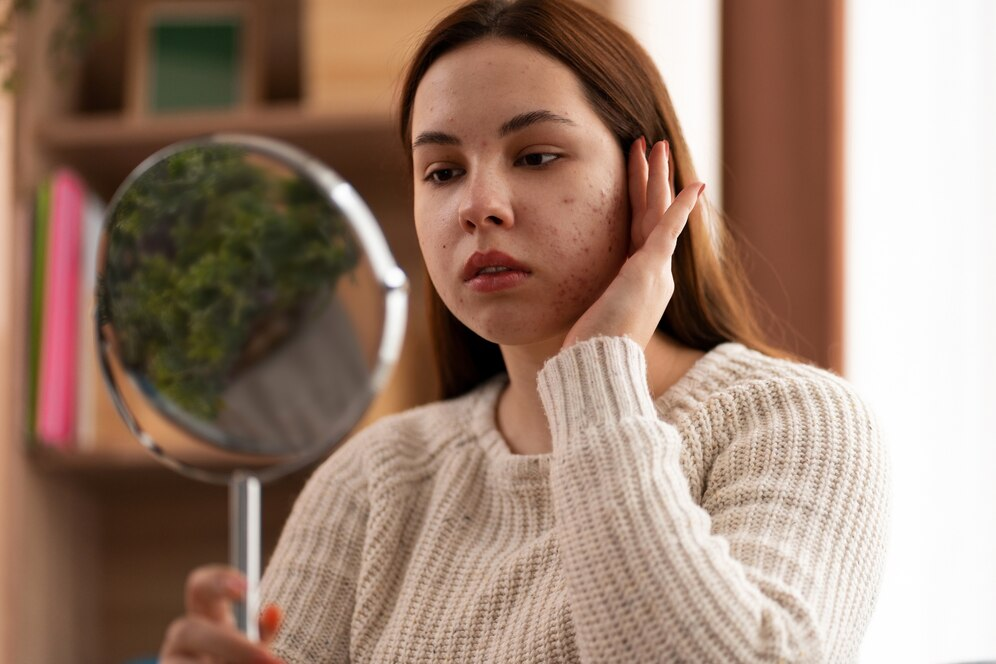
Common Misconceptions

Despite the abundance of skincare information, myths about skin health persist, impacting our daily routines. Let's delve into some prevalent misconceptions and unveil the truth behind them.

Myth: Darker Skin Tones Don't Need Sunscreen

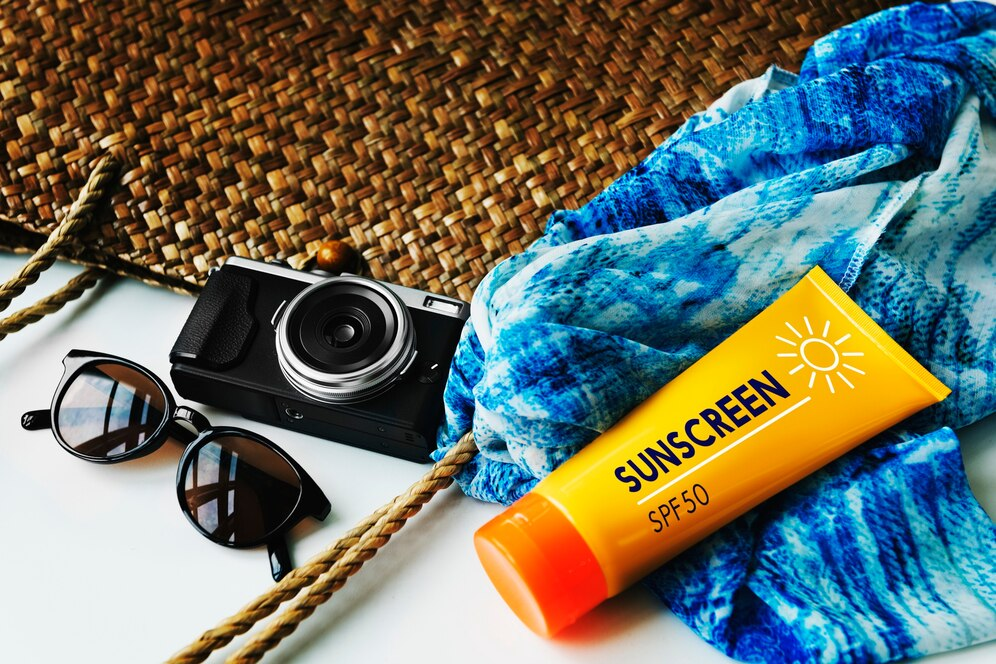
Contrary to popular belief, individuals with darker skin tones are not exempt from the harmful effects of UV rays. Sunscreen is essential for all skin types to prevent sun damage, premature aging, and the risk of skin cancer.

Myth: Acne Only Affects Teenagers

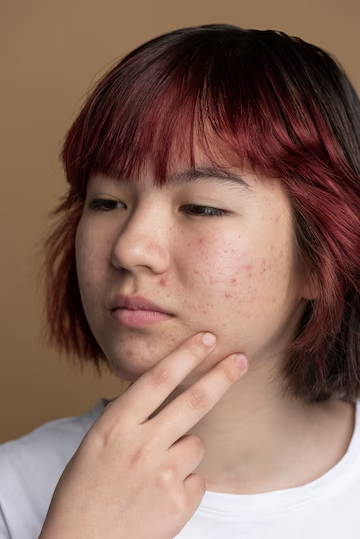
Acne is not exclusive to adolescence. Many adults also struggle with acne, and understanding its causes and treatments is crucial. Dispelling the stigma surrounding adult acne promotes a more supportive and informed approach to skincare.

Myth: Moisturizing Causes Oily Skin

The misconception that moisturizing leads to oily skin is unfounded. Moisturizers play a vital role in maintaining skin hydration and balance. Selecting the right products based on skin type is key to achieving a healthy complexion.

Myth: Tanning Beds Are Safer Than Sun Exposure

Tanning beds pose significant risks, including an increased likelihood of skin cancer. Comparing the dangers of tanning beds to natural sun exposure emphasizes the importance of safer alternatives for achieving a tan.

Myth: Expensive Products Are Always Better

The belief that high-priced skincare products are superior is misleading. Instead of focusing on brand names, prioritize understanding ingredients. Budget-friendly alternatives with effective components are readily available.

Myth: Natural Means Safe

While natural skincare products have gained popularity, assuming they are universally safe is incorrect. Some natural ingredients may cause adverse reactions. Thorough research and consultation with dermatologists are crucial when incorporating natural products into your routine.

Myth: Drinking More Water Eliminates Dry Skin

Hydration is undoubtedly essential for skin health, but it's not the sole solution to dry skin. Factors such as climate, skincare routine, and underlying conditions also contribute. A holistic approach that considers various factors is necessary for maintaining skin moisture.

Myth: Skincare Is Only for Aesthetics

Beyond aesthetics, skincare significantly impacts overall health. Healthy skin serves as a barrier against infections and contributes to a sense of well-being. Embrace skincare as a holistic practice for both appearance and health.

Myth: Scrubbing Removes Acne

Aggressive scrubbing is not the solution to acne. Gentle skincare routines tailored to acne-prone skin are more effective. Consulting with dermatologists ensures personalized advice that addresses specific skin concerns.

Myth: Genetics Determine Everything

While genetics play a role in skin conditions, lifestyle and environmental factors also contribute. Understanding the balance between genetic predispositions and external influences allows for effective skincare management.

Myth: Oily Skin Doesn't Need Moisturizing

Moisturizing is essential for all skin types, including oily skin. Choosing lightweight, non-comedogenic moisturizers helps maintain skin balance without exacerbating oiliness.

Myth: DIY Skincare Remedies Are Always Safe

DIY skincare trends abound, but not all homemade remedies are safe. Certain ingredients may cause irritation or harm. Making informed choices and consulting with experts ensure safe experimentation with DIY skincare.

Conclusion

In conclusion, debunking common myths about skin health is essential for fostering informed skincare practices. Embrace a holistic approach, prioritize research, and consult with dermatologists for personalized advice. Your skin deserves the best care for both aesthetics and overall well-being.

FAQs


1. Is sunscreen necessary for all skin types?

Yes, sunscreen is crucial for protecting all skin types from harmful UV rays.


2. Can adults experience acne?

Absolutely, acne can affect individuals of all ages, not just teenagers.


3. Are expensive skincare products always better?

Not necessarily; focus on understanding ingredients rather than price.


4. Do natural skincare products guarantee safety?

Not always; research and consultation with experts are essential.


5. Is moisturizing necessary for oily skin?

Yes, choosing the right moisturizers helps maintain skin balance, even for oily skin.


Monday, 5 February 2024

Sensitive Skin? Discover Why Laser Genesis Might Be Your Best Friend

Sensitive skin can be a challenge, requiring extra care and attention to avoid irritation and discomfort. In the quest for effective skincare solutions, individuals with sensitive skin often face limitations. Enter Laser Genesis – a revolutionary treatment that has proven to be a best friend for those with delicate skin.

Understanding Laser Genesis

Laser Genesis is a non-invasive laser treatment designed to address various skin concerns, including those associated with sensitive skin. Unlike abrasive treatments that may exacerbate sensitivity, Laser Genesis works gently, making it a suitable option for individuals with delicate skin.

How does it work? Laser Genesis stimulates collagen production and targets specific skin issues without causing harm to the skin's surface. This makes it an ideal choice for those seeking skin rejuvenation without the usual discomfort associated with other procedures.

Why Laser Genesis for Sensitive Skin?

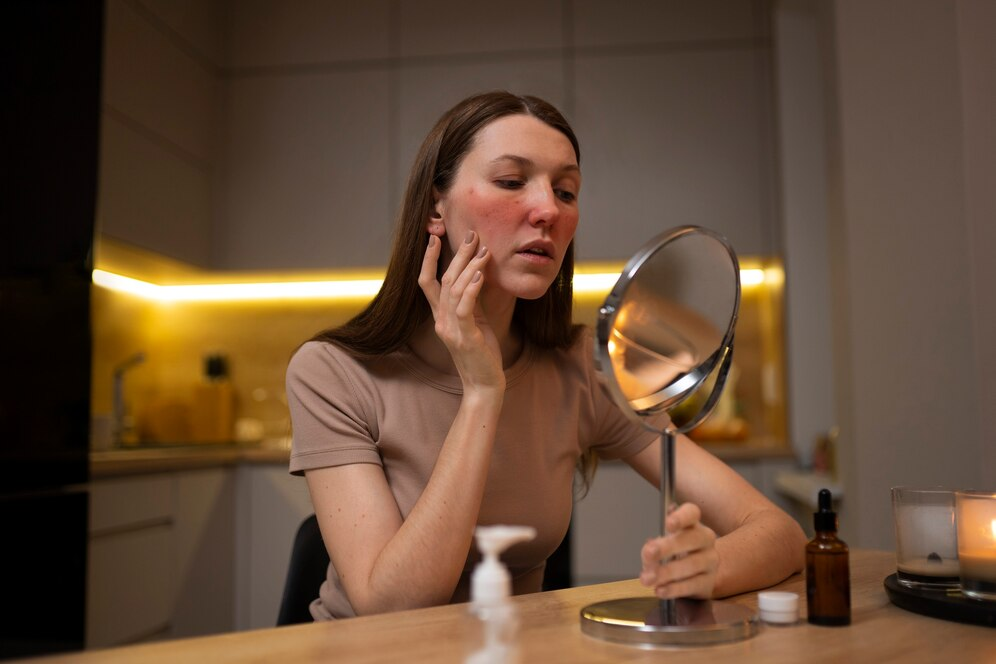
The gentle nature of Laser Genesis sets it apart as a suitable solution for sensitive skin. Unlike some treatments that may cause redness or irritation, Laser Genesis aims to soothe and heal the skin. This makes it a perfect ally for individuals dealing with conditions such as rosacea or eczema.

Benefits of Laser Genesis for Sensitive Skin

  • Reduction of Redness and Inflammation

One of the key benefits of Laser Genesis is its ability to reduce redness and inflammation associated with sensitive skin conditions. The laser targets blood vessels causing redness, promoting a more even skin tone.

  • Improvement in Skin Texture and Tone

Laser Genesis promotes collagen production, leading to improved skin texture and tone. This is especially beneficial for individuals with sensitive skin prone to unevenness.

  • Boosting Collagen Production

Collagen is essential for skin health, providing firmness and elasticity. Laser Genesis stimulates collagen production, contributing to long-term skin improvement for those with sensitive skin.

Who Can Benefit from Laser Genesis?

Laser Genesis is not exclusive to individuals with sensitive skin but is particularly beneficial for them. If you have conditions like rosacea, acne, or uneven skin tone and texture due to sensitivity, Laser Genesis might be your solution. It's a non-abrasive option for those seeking effective skin rejuvenation without exacerbating sensitivity.

The Laser Genesis Procedure

The Laser Genesis procedure involves a series of sessions, each lasting approximately 30 minutes. The laser applicator is gently moved across the skin, delivering low-level laser energy that stimulates collagen production. Most individuals find the treatment comfortable, with minimal to no downtime.

Is Laser Genesis Safe for All Skin Types?

Laser Genesis is considered safe for all skin types, including sensitive skin. However, a thorough consultation with a qualified practitioner is essential before undergoing the treatment. Skin assessment helps determine the suitability of Laser Genesis for an individual's specific skin concerns.

Comparing Laser Genesis with Other Skin Treatments

When considering skin treatments, it's essential to weigh the options. Laser Genesis stands out from abrasive treatments that may cause discomfort and prolonged recovery periods. Its gentle approach makes it a preferred choice for those with sensitive skin.

Testimonials and Success Stories

Real-life experiences speak volumes about the effectiveness of Laser Genesis for sensitive skin. Many individuals have reported noticeable improvements in skin conditions after undergoing Laser Genesis treatments. These testimonials highlight the positive impact on sensitive skin without causing additional stress.

Addressing Common Concerns and Myths

As with any skincare procedure, there are common concerns and myths surrounding Laser Genesis. It's crucial to dispel these misconceptions to help individuals make informed decisions about their skincare journey.

Preparing for Laser Genesis Treatment

Before undergoing Laser Genesis, individuals with sensitive skin should follow some pre-treatment guidelines. This includes avoiding certain skincare products and medications that may increase sensitivity. A qualified practitioner will provide detailed instructions based on the individual's skin needs.

Post-Treatment Care for Sensitive Skin

After Laser Genesis, maintaining a suitable skincare routine is crucial. This helps maximize the benefits of the treatment and manage potential side effects. Sunscreen, hydration, and gentle skincare products are key components of post-treatment care for sensitive skin.

Cost and Accessibility of Laser Genesis

While the cost of Laser Genesis may vary, its accessibility has increased in recent years. Many skincare clinics and professionals offer this treatment, making it more convenient for individuals seeking a non-invasive solution for sensitive skin.

Choosing a Reputable Laser Genesis Provider

Selecting the right provider is paramount for a successful Laser Genesis experience. Factors such as experience, reviews, and certifications should be considered when choosing a clinic or professional. Ensuring the procedure is performed by a qualified expert enhances safety and efficacy.

Conclusion

Sensitive skin no longer needs to be a barrier to achieving radiant and healthy skin. Laser Genesis offers a gentle and effective solution for individuals with delicate skin, addressing various concerns without causing unnecessary irritation. Embrace the power of Laser Genesis and unlock the potential for a revitalized complexion.

FAQs:

1. Is Laser Genesis painful for sensitive skin?

Laser Genesis is generally well-tolerated, with minimal discomfort reported. Individuals with sensitive skin may experience a mild warming sensation during the procedure.


2. How many sessions of Laser Genesis are required for noticeable results?

The number of sessions varies, but most individuals see improvements after a series of treatments. Consultation with a practitioner helps determine the ideal treatment plan.


3. Can Laser Genesis be combined with other skincare treatments?

Depending on individual needs, Laser Genesis can be combined with other treatments. However, it's crucial to consult with a skincare professional for personalized advice.


4. Are there any side effects of Laser Genesis for sensitive skin?

Side effects are minimal and may include temporary redness or mild swelling. These usually subside shortly after the treatment.


5. How long do the effects of Laser Genesis last for sensitive skin?

The longevity of effects varies, but many individuals enjoy sustained improvements in skin texture and tone for an extended period.


Friday, 2 February 2024

The Importance of Sun Protection: Beyond Sunscreen

Sun protection is not just a beauty trend; it is a fundamental aspect of maintaining skin health and preventing long-term damage. While sunscreen is a crucial component, the importance of sun protection extends beyond applying a lotion. This guide explores the broader spectrum of sun protection measures, equipping you with knowledge to safeguard your skin against the harmful effects of UV radiation.

Understanding UV Radiation

Before delving into sun protection measures, it's essential to understand the two primary types of ultraviolet (UV) radiation that reach the Earth's surface:

  • UVA Radiation: Penetrates deep into the skin, contributing to premature aging and causing long-term damage.

  • UVB Radiation: Primarily responsible for sunburns and plays a key role in the development of skin cancer.

Both UVA and UVB radiation can have detrimental effects on the skin, making comprehensive sun protection crucial.

Beyond Sunscreen: Sun Protection Strategies

1. Protective Clothing

Wearing clothing that provides adequate coverage is an effective way to shield your skin from the sun. Opt for long sleeves, pants, and wide-brimmed hats. Darker colors and tightly woven fabrics offer better protection.

2. Sunglasses

Your eyes are also vulnerable to UV radiation. Choose sunglasses that provide 100% UVA and UVB protection to safeguard your eyes from potential damage, including cataracts and other eye conditions.

3. Seek Shade

Limiting direct sun exposure, especially during peak hours between 10 a.m. and 4 p.m., reduces the intensity of UV radiation. Seek shade under trees, umbrellas, or use structures to minimize sun exposure.

4. Sun-Protective Accessories

Consider accessories designed for sun protection, such as UV-blocking umbrellas, scarves, and sun sleeves. These accessories add an extra layer of defense against UV rays.

5. UPF Clothing

Invest in clothing with a UPF (Ultraviolet Protection Factor) rating. UPF clothing is specifically designed to block UV radiation, providing an additional layer of protection beyond regular clothing.

6. Window Films

UV radiation can penetrate windows, contributing to skin aging and potential damage. Applying UV-blocking window films at home, in the car, or at the office helps reduce exposure.

7. Regular Skin Checks

Perform regular skin self-examinations to monitor for any changes, including new moles, freckles, or unusual spots. Early detection of skin changes can be crucial in preventing skin cancer.

8. Stay Hydrated

Proper hydration supports the skin's natural ability to protect itself from sun damage. Drink an adequate amount of water, especially during sun exposure, to maintain skin health.

Tailoring Sun Protection to Your Lifestyle

  • Outdoor Activities: For outdoor enthusiasts, consider high-performance sun-protective clothing and accessories. Incorporate regular breaks in the shade to minimize continuous sun exposure.

  • Daily Commute: If your daily routine involves outdoor activities like commuting or walking, ensure you incorporate sun protection measures into your attire and accessories.

  • Water Activities: Water reflects UV radiation, intensifying exposure. Water-resistant sunscreens and protective clothing are essential for water-related activities.

  • Traveling: Sun protection is crucial regardless of your travel destination. Pack travel-sized sunscreen, a wide-brimmed hat, and sunglasses for on-the-go protection.

Conclusion

The importance of sun protection extends far beyond sunscreen alone. By adopting a comprehensive approach that includes protective clothing, accessories, and lifestyle adjustments, you can significantly reduce your risk of sun damage. Incorporate these strategies into your daily routine to ensure that your skin remains healthy, radiant, and well-protected against the harmful effects of UV radiation.

FAQs

1. Can I skip sunscreen on cloudy days?

No, UV radiation can penetrate clouds. Use sunscreen even on cloudy days to maintain sun protection.

2. Is there a difference between UVA and UVB radiation?

Yes, UVA penetrates deeper and contributes to premature aging, while UVB primarily causes sunburns and is linked to skin cancer.

3. How often should I reapply sunscreen?

Reapply every two hours or more frequently if swimming or sweating. Follow the product's instructions for optimal protection.

4. Can I use a regular hat for sun protection?

Yes, but wide-brimmed hats offer better protection by shading the face, neck, and shoulders.

5. Do I need sun protection indoors?

Yes, UV radiation can penetrate windows. Consider applying UV-blocking films or sit away from direct sunlight indoors.


Thursday, 1 February 2024

From Breakouts to Glow: A Comprehensive Guide to Acne Treatment

Acne is a common skin concern that affects people of all ages. From occasional breakouts to persistent acne, finding an effective treatment can be a journey. This comprehensive guide aims to provide insights into understanding acne, identifying its causes, and outlining strategies for effective treatment, helping you achieve a radiant, blemish-free complexion.

Understanding Acne

Acne occurs when hair follicles become clogged with oil and dead skin cells, leading to the formation of pimples, blackheads, and whiteheads. Factors such as hormones, genetics, and lifestyle contribute to acne development. Understanding the type of acne you have is crucial for targeted treatment.

Types of Acne

  • Comedonal Acne: Characterized by blackheads and whiteheads.

  • Inflammatory Acne: Includes red, swollen pimples and pustules.

  • Cystic Acne: Deep, painful cysts that can cause scarring.

  • Nodular Acne: Large, hard bumps beneath the skin's surface.

Effective Acne Treatment Strategies

1. Skincare Routine for Acne-Prone Skin

  • Gentle Cleansing: Use a mild, non-comedogenic cleanser twice daily to keep the skin clean without causing irritation.

  • Non-Alcoholic Toner: A gentle, alcohol-free toner helps balance the skin's pH without overdrying.

  • Acne-Fighting Ingredients: Look for products with benzoyl peroxide, salicylic acid, or alpha hydroxy acids (AHAs) to target acne.

  • Oil-Free Moisturizer: Hydrate the skin with a lightweight, oil-free moisturizer to maintain balance.

2. Prescription Medications

  • Topical Retinoids: These derivatives of vitamin A help unclog pores and promote cell turnover.

  • Antibiotics: Oral or topical antibiotics can reduce inflammation and control bacteria.

  • Oral Contraceptives: For hormonal acne, certain birth control pills can help regulate hormones and improve skin.

  • Isotretinoin (Accutane): Reserved for severe cases, this oral medication can effectively treat cystic acne but requires careful monitoring due to potential side effects.

3. Professional Treatments

  • Chemical Peels: A dermatologist can perform chemical peels to exfoliate the skin and reduce acne.

  • Laser Therapy: Various laser treatments target acne and stimulate collagen production to improve skin texture.

  • Extraction Procedures: Dermatologists can safely extract blackheads and whiteheads to prevent scarring.

4. Lifestyle Adjustments

  • Dietary Changes: Some studies suggest a link between diet and acne. Consider reducing dairy and high-glycemic foods.

  • Stress Management: Stress can exacerbate acne. Incorporate stress-reducing activities such as meditation or yoga into your routine.

  • Regular Exercise: Physical activity promotes blood circulation, which can benefit the skin. Shower promptly afterward to prevent sweat-related breakouts.

5. Preventing Acne Scarring

  • Early Intervention: Treat acne promptly to minimize the risk of scarring.

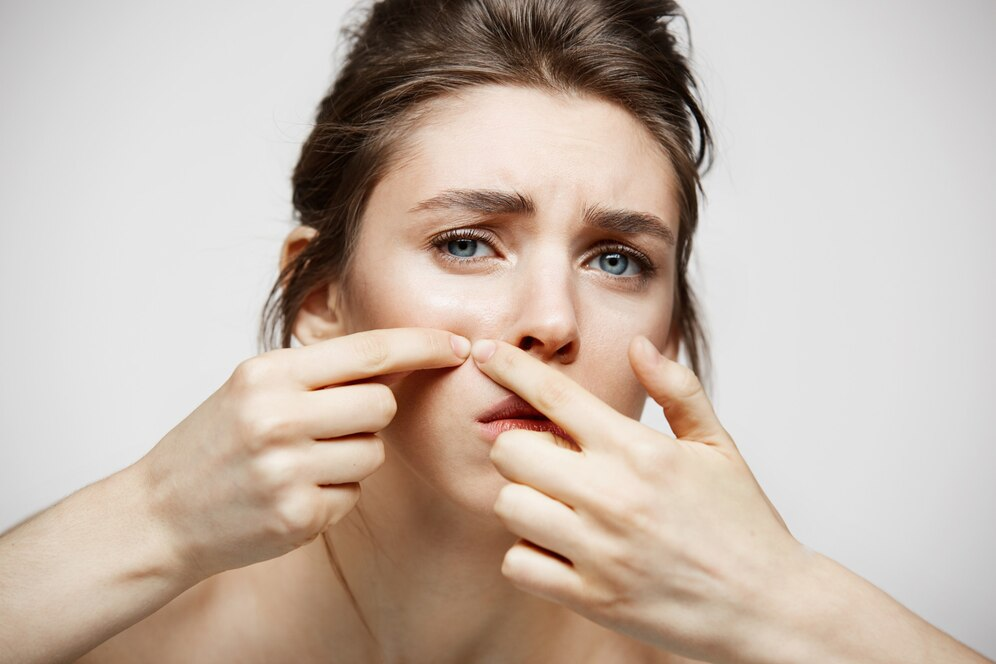
  • Avoid Picking or Squeezing: Picking at acne lesions increases the likelihood of scarring.

  • Sun Protection: Use sunscreen to protect healing skin from hyperpigmentation.

Building a Consistent Routine

  • Morning Routine

    • Cleanse with a gentle cleanser.

    • Apply acne treatment products or prescription medications.

    • Moisturize with an oil-free moisturizer.

    • Use sunscreen with at least SPF 30.

  • Evening Routine

    • Cleanse to remove makeup and impurities.

    • Apply prescription medications or acne treatment products.

    • Moisturize with a suitable product for your skin type.

Conclusion

Achieving clear, radiant skin requires a holistic approach to acne treatment. From establishing a dedicated skincare routine to considering prescription medications and professional treatments, the journey from breakouts to glow is multifaceted. Understand your skin's needs, consult with a dermatologist, and commit to a consistent routine tailored to your unique acne concerns for a complexion that radiates health and vitality.

FAQs


1. How long does it take for acne treatment to show results?

Results vary, but noticeable improvements may take several weeks to months. Be patient and consistent with your routine.


2. Can I wear makeup while undergoing acne treatment?

Yes, choose non-comedogenic makeup products and ensure thorough removal at the end of the day.


3. Are natural remedies effective for treating acne?

While some may find relief with natural remedies, it's essential to consult with a dermatologist for evidence-based treatments.


4. Can hormonal acne be treated without birth control pills?

Yes, alternative treatments like topical retinoids or antibiotics can be effective. Consult with a dermatologist to explore options.


5. How can I address acne on my body?

Use a gentle cleanser, wear breathable fabrics, and consider over-the-counter or prescription treatments. Consult with a dermatologist for severe cases.


Topical Alpha Agonists for Erythematotelangiectatic Rosacea

Erythematotelangiectatic rosacea is a subtype of rosacea characterized by persistent facial redness, visible blood vessels, and flushing ep...