Sunday, 26 March 2023

Ways to Prevent Skin Damage: Tips to Avoid Sunburns and Premature Aging

 Our skin is our largest organ, and it protects us from harmful environmental factors. However, overexposure to the sun's ultraviolet (UV) rays can lead to sunburns and premature aging, which can result in serious skin damage. Luckily, there are several ways to prevent skin damage, such as sunburns and premature aging. Here are some tips to keep your skin healthy and looking young.

Table of Contents

  • Introduction

  • The Science of Sunburns and Premature Aging

  • Use Sunscreen

  • Seek Shade

  • Wear Protective Clothing

  • Limit Sun Exposure During Peak Hours

  • Wear Sunglasses

  • Hydrate Your Skin

  • Exfoliate Regularly

  • Moisturize Your Skin

  • Avoid Tanning Beds

  • Maintain a Healthy Diet

  • Take Care of Your Skin After Sun Exposure

  • Conclusion

  • FAQs

1. Introduction

Preventing skin damage is crucial to maintaining healthy, youthful-looking skin. Sunburns and premature aging are two of the most common forms of skin damage, and they can have serious consequences if left untreated. In this article, we will discuss some effective ways to prevent skin damage, including the use of sunscreen, seeking shade, wearing protective clothing, and more.


2. The Science of Sunburns and Premature Aging

Before we dive into the tips for preventing skin damage, it's important to understand the science behind sunburns and premature aging. Sunburns occur when the skin is exposed to UV radiation from the sun, which can cause the skin to become red, tender, and painful. Over time, repeated sunburns can lead to premature aging, which is characterized by wrinkles, age spots, and a leathery texture. UV radiation can also increase the risk of skin cancer.


3. Use Sunscreen

One of the most effective ways to prevent skin damage is to use sunscreen. Sunscreen works by blocking UV radiation from penetrating the skin, which can prevent sunburns and premature aging. When choosing a sunscreen, it's important to select one with a high SPF (sun protection factor) and broad-spectrum protection, which means it protects against both UVA and UVB rays. Apply sunscreen liberally to all exposed skin, and reapply every two hours or after swimming or sweating.


4. Seek Shade

Another way to prevent skin damage is to seek shade when you're outside. This can be accomplished by sitting under a tree or umbrella, or by simply finding a covered area. Seeking shade can reduce your risk of sunburns and premature aging, as well as lower your risk of skin cancer.


5. Wear Protective Clothing

Wearing protective clothing is another effective way to prevent skin damage. This includes long-sleeved shirts, pants, hats, and sunglasses. Clothing that is made from tightly woven fabrics and dark colors provides the most protection.


6. Limit Sun Exposure During Peak Hours

The sun's UV rays are the strongest between 10 a.m. and 4 p.m., so it's important to limit your sun exposure during these peak hours. If you must be outside during this time, make sure to use sunscreen, seek shade, and wear protective clothing.


7. Wear Sunglasses

Sunglasses not only protect your eyes from the sun's harmful rays, but they also protect the delicate skin around your eyes from premature aging. Look for sunglasses that offer 100% UV protection, and wear them whenever you're outside during the day.

8. Hydrate Your Skin

Drinking plenty of water and using moisturizers can help keep your skin hydrated, which can prevent dryness, flakiness, and cracking. When your skin is hydrated, it is more resilient and less likely to be damaged by environmental factors. Drink at least eight glasses of water per day, and use a moisturizer that is appropriate for your skin type.


9. Exfoliate Regularly

Exfoliating your skin regularly can help remove dead skin cells and promote cell turnover, which can keep your skin looking fresh and youthful. Use a gentle exfoliating scrub once or twice a week to slough off dead skin cells and reveal the healthy, glowing skin underneath.


10. Moisturize Your Skin

Using a moisturizer regularly can help keep your skin soft and supple, which can prevent wrinkles and fine lines. Choose a moisturizer that is appropriate for your skin type, and apply it after showering or bathing to lock in moisture.


11. Avoid Tanning Beds

Tanning beds expose your skin to concentrated UV radiation, which can increase your risk of skin cancer, as well as cause premature aging and sunburns. If you want to achieve a bronzed look, consider using self-tanning products, which are safer and can provide a natural-looking tan.


12. Maintain a Healthy Diet

Eating a healthy diet can help keep your skin looking youthful and healthy. Foods that are high in antioxidants, such as fruits, vegetables, and nuts, can help protect your skin from environmental damage. Additionally, foods that are rich in omega-3 fatty acids, such as salmon and avocados, can help keep your skin moisturized and prevent dryness.


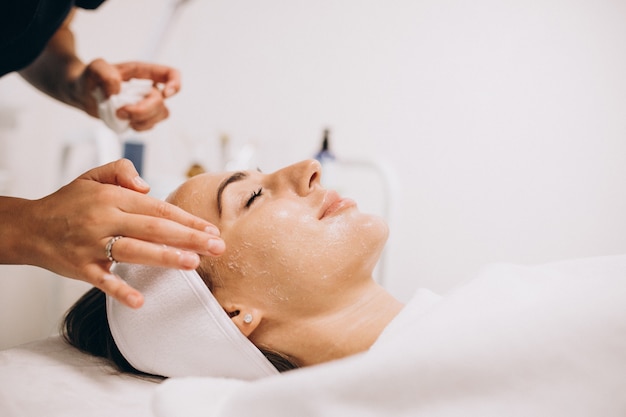
13. Take Care of Your Skin After Sun Exposure

If you do get sunburned, it's important to take care of your skin to minimize the damage. Take a cool bath or shower to soothe your skin, and apply aloe vera gel to reduce inflammation and redness. Drink plenty of water to stay hydrated, and avoid further sun exposure until your skin has healed.


14. Conclusion

Preventing skin damage is crucial to maintaining healthy, youthful-looking skin. By using sunscreen, seeking shade, wearing protective clothing, and following other tips outlined in this article, you can reduce your risk of sunburns and premature aging, and keep your skin looking its best for years to come.If you are uncertain or not confident about a person's skin, you can take steps to verify or confirm it.you can check out this webpage


15. FAQs

How often should I apply sunscreen?

You should apply sunscreen liberally to all exposed skin, and reapply every two hours or after swimming or sweating.


What should I do if I get sunburned?

Take a cool bath or shower to soothe your skin, and apply aloe vera gel to reduce inflammation and redness. Drink plenty of water to stay hydrated, and avoid further sun exposure until your skin has healed.


Can tanning beds cause skin damage?

Yes, tanning beds expose your skin to concentrated UV radiation, which can increase your risk of skin cancer, as well as cause premature aging and sunburns.


How can I keep my skin hydrated?

Drink plenty of water and use a moisturizer that is appropriate for your skin type.


What foods are good for my skin?

Foods that are high in antioxidants, such as fruits, vegetables, and nuts, can help protect your skin from environmental damage. Additionally, foods that are rich in omega-3 fatty acids, such as salmon and avocados, can help keep your skin moisturized and prevent dryness.


Ways to Prevent Skin Damage: Sunburns and Premature Aging

Skin is the largest organ of the human body and serves many important functions, including protecting us from the environment. However, due to constant exposure to the sun and other environmental factors, our skin can suffer damage, leading to issues such as sunburns and premature aging. Fortunately, there are many ways to prevent skin damage and keep our skin healthy and glowing. 

In this article, we will explore some of the most effective ways to protect our skin from sunburns and premature aging.


Introduction

Sunburns and premature aging are two of the most common skin problems that people face. Sunburns occur when the skin is exposed to too much ultraviolet (UV) radiation from the sun, leading to redness, pain, and sometimes blistering. Premature aging, on the other hand, refers to the signs of aging that appear on the skin earlier than they should, such as wrinkles, fine lines, and age spots. Both sunburns and premature aging can have a negative impact on our skin’s health and appearance, but fortunately, there are many ways to prevent them.

Protect Your Skin from the Sun

One of the most effective ways to prevent sunburns and premature aging is to protect your skin from the sun. Here are some tips:

Use Sunscreen

Using sunscreen is one of the easiest and most effective ways to protect your skin from the sun. Look for a broad-spectrum sunscreen with an SPF of 30 or higher, and apply it generously to all exposed skin, including your face, neck, and ears. Reapply every two hours, or more often if you are sweating or swimming.

Seek Shade

Another way to protect your skin from the sun is to seek shade whenever possible. This can include sitting under a tree, using an umbrella, or staying indoors during the hottest parts of the day.

Wear Protective Clothing

Wearing protective clothing can also help prevent sunburns and premature aging. This includes long-sleeved shirts, pants, and hats with wide brims that shade your face, neck, and ears.

Take Care of Your Skin

In addition to protecting your skin from the sun, taking care of your skin is also important for preventing damage. Here are some tips:

Moisturize Regularly

Keeping your skin moisturized can help prevent premature aging and keep your skin looking healthy and glowing. Use a moisturizer that is appropriate for your skin type and apply it regularly, especially after showering or bathing.

Avoid Smoking

Smoking is not only bad for your health, but it can also have a negative impact on your skin. Smoking can cause wrinkles and other signs of premature aging, as well as increase your risk of skin cancer.

Stay Hydrated

Drinking plenty of water and staying hydrated can also help prevent skin damage. When you are dehydrated, your skin can become dry and flaky, which can make it more susceptible to damage.

Pay Attention to Your Diet

What you eat can also have an impact on your skin’s health and appearance. Here are some tips:

Eat a Balanced Diet

Eating a balanced diet that is rich in fruits, vegetables, whole grains, and lean proteins can help keep your skin healthy and glowing.

Avoid Sugary and Processed Foods

Sugary and processed foods can have a negative impact on your skin’s health, leading to issues such as acne and premature aging. Instead, opt for whole foods that are rich in nutrients and antioxidants.

Take Supplements

Taking supplements such as vitamin C, vitamin E, and omega-3 fatty acids can also help improve your skin’s health and prevent damage.

Conclusion

Sunburns and premature aging are two common skin problems that can have a negative impact on our skin’s health and appearance. However, by taking certain steps to protect our skin and promote its health, we can prevent damage and keep our skin looking its best.

Remember to always protect your skin from the sun by using sunscreen, seeking shade, and wearing protective clothing. Additionally, taking care of your skin by moisturizing regularly, avoiding smoking, staying hydrated, and paying attention to your diet can also help prevent damage and keep your skin healthy and glowing.

By incorporating these tips into your daily routine, you can protect your skin from sunburns and premature aging, and maintain healthy, beautiful skin for years to come. Most important consult with your skin specialist for more information.

FAQs

  1. What is the best type of sunscreen to use?

A: Look for a broad-spectrum sunscreen with an SPF of 30 or higher.

  1. Can staying hydrated really help prevent skin damage?

A: Yes, drinking plenty of water and staying hydrated can help keep your skin moisturized and prevent damage.

  1. Can smoking really cause wrinkles?

A: Yes, smoking can cause wrinkles and other signs of premature aging, as well as increase your risk of skin cancer.

  1. What are some good sources of vitamin C?

A: Some good sources of vitamin C include citrus fruits, berries, and leafy greens.

  1. Can supplements really help improve skin health?

A: Yes, taking supplements such as vitamin C, vitamin E, and omega-3 fatty acids can help improve skin health and prevent damage. However, it’s important to talk to your doctor before starting any new supplement regimen.

Friday, 24 March 2023

Common Cosmetic Dermatology Procedures: Benefits and Risks

In today's world, everyone wants to look good and feel confident about their appearance. With the advancements in cosmetic dermatology procedures, achieving a flawless and youthful look has become easier than ever before. From laser treatments to injectables, there are a variety of cosmetic dermatology procedures available that can help improve the appearance of your skin. However, like any medical procedure, these treatments come with their own set of benefits and risks. In this article, we'll explore some of the most common cosmetic dermatology procedures, their benefits and risks, and how to determine if they're right for you.


Table of Contents

  • Introduction

  • Benefits of Cosmetic Dermatology Procedures

  • Risks of Cosmetic Dermatology Procedures

  • Types of Common Cosmetic Dermatology Procedures

  • Laser Treatments

  • Chemical Peels

  • Botox and Fillers

  • Microdermabrasion

  • Microneedling

  • CoolSculpting

  • Ultherapy

  • Choosing the Right Provider for Your Cosmetic Dermatology Procedure

  • Conclusion

  • FAQs


Introduction

Cosmetic dermatology procedures are non-surgical treatments that are performed to improve the appearance of the skin. These treatments are designed to address a variety of concerns, such as wrinkles, fine lines, acne scars, and sun damage. In addition to improving the appearance of the skin, cosmetic dermatology procedures can also help boost your self-confidence and improve your overall quality of life.


Benefits of Cosmetic Dermatology Procedures

There are many benefits to cosmetic dermatology procedures, including:


Improved Appearance

Cosmetic dermatology procedures can help improve the appearance of your skin, making it look smoother, clearer, and more youthful.


Boosted Confidence

Feeling good about your appearance can do wonders for your self-confidence, and cosmetic dermatology procedures can help give you the boost you need to feel great about the way you look.


Quick Results

Many cosmetic dermatology procedures provide quick results, meaning that you can see a significant improvement in the appearance of your skin in a short amount of time.


Minimally Invasive

Most cosmetic dermatology procedures are minimally invasive, meaning that they do not require surgery and have a relatively short recovery time.


Risks of Cosmetic Dermatology Procedures

While cosmetic dermatology procedures are generally safe, there are still risks associated with these treatments, including:


Infection

Anytime you undergo a medical procedure, there is a risk of infection. However, infection can usually be avoided by choosing a reputable provider and following proper aftercare instructions.


Scarring

While most cosmetic dermatology procedures are designed to minimize scarring, there is still a risk of scarring with certain treatments, such as laser treatments and chemical peels.


Allergic Reactions

Some people may have an allergic reaction to certain cosmetic dermatology treatments, such as Botox or fillers.


Unsatisfactory Results

While cosmetic dermatology procedures can provide significant improvements in the appearance of your skin, there is always a risk that you may not be happy with the results.


Types of Common Cosmetic Dermatology Procedures

There are many different types of cosmetic dermatology procedures available, each with its own set of benefits and risks. Here are some of the most common types of cosmetic dermatology procedures:


Laser Treatments

Laser treatments use a focused beam of light to target specific areas of the skin, such as wrinkles, age spots, and acne scars. This treatment can help improve the appearance of the skin and promote collagen production. However, laser treatments can also cause skin irritation and redness, and there is a risk of scarring.


Chemical Peels

Chemical peels involve applying a chemical solution to the skin to remove the outer layer of dead skin cells. This treatment can help improve the appearance of fine lines, wrinkles, and acne scars. However, chemical peels can also cause redness, irritation, and peeling of the skin.


Botox and Fillers

Botox and fillers are injectable treatments that can help reduce the appearance of wrinkles and fine lines. Botox works by relaxing the muscles that cause wrinkles, while fillers work by filling in lines and adding volume to the skin. Both treatments are minimally invasive, but there is a risk of allergic reaction or unsatisfactory results.


Microdermabrasion

Microdermabrasion involves using a special tool to exfoliate the skin and remove dead skin cells. This treatment can help improve the appearance of fine lines, wrinkles, and sun damage. However, there is a risk of skin irritation and redness.


Microneedling

Microneedling involves using a device with tiny needles to puncture the skin and stimulate collagen production. This treatment can help improve the appearance of fine lines, wrinkles, and acne scars. However, there is a risk of infection and scarring.


CoolSculpting

CoolSculpting is a non-invasive treatment that uses freezing technology to destroy fat cells. This treatment can help reduce the appearance of stubborn pockets of fat. However, there is a risk of skin sensitivity and numbness.


Ultherapy

Ultherapy uses ultrasound technology to tighten and lift the skin. This treatment can help improve the appearance of sagging skin and wrinkles. However, there is a risk of skin sensitivity and discomfort during the treatment.


Choosing the Right Provider for Your Cosmetic Dermatology Procedure

Choosing the right provider for your cosmetic dermatology procedure is crucial to ensuring a safe and successful outcome. It's important to do your research and choose a provider who is experienced, licensed, and reputable. You should also make sure to ask questions about the procedure, including its benefits and risks, and follow all aftercare instructions to minimize the risk of complications.


Conclusion

Cosmetic dermatology procedures can be a great way to improve the appearance of your skin and boost your self-confidence. However, it's important to understand the benefits and risks associated with these treatments and to choose a reputable provider to ensure a safe and successful outcome.


FAQs

Are cosmetic dermatology procedures safe?

While cosmetic dermatology procedures are generally safe, there are still risks associated with these treatments, including infection, scarring, and allergic reactions.


How long do the results of cosmetic dermatology procedures last?

The results of cosmetic dermatology procedures can vary depending on the treatment, but most treatments provide results that last several months to a few years.


What should I expect during a cosmetic dermatology procedure?

The experience of a cosmetic dermatology procedure can vary depending on the treatment, but most procedures are minimally invasive and involve minimal discomfort.


How do I choose the right provider for my cosmetic dermatology procedure?

When choosing a provider for your cosmetic dermatology procedure, it's important to do your research and choose a licensed, experienced, and reputable provider.


Will my insurance cover the cost of cosmetic dermatology procedures?

In most cases, cosmetic dermatology procedures are not covered by insurance. However, some procedures may be covered if they are deemed medically necessary.


Wednesday, 15 March 2023

Skin Care Tips, Advice, and Product Reviews.

Taking care of our skin is essential to maintain a healthy and radiant look. With so many skincare products and routines out there, it can be overwhelming to figure out which one is right for us. Fortunately, there are award-winning skincare experts who have dedicated their careers to helping people achieve their best skin.

In this article, we'll be exploring the best tips, advice, and product reviews from award-winning skincare experts.

The Importance of Skincare

Before diving into skincare tips, it's important to understand why taking care of our skin is crucial. Our skin is the largest organ in our body and serves as our first line of defense against external factors such as pollution, UV rays, and bacteria. Neglecting our skin can lead to premature aging, acne, and even skin cancer. Investing in skincare products and routines can help us maintain healthy and youthful-looking skin.


Understanding Your Skin Type

One of the most important things you can do when it comes to skin care is to understand your skin type. Different skin types require different types of care, so it's important to identify your skin type before you start using any products or developing any routines.


Determining Your Skin Type

There are four basic skin types: normal, dry, oily, and combination. To determine your skin type, take a close look at your skin and note its characteristics:


  • Normal skin: balanced, not too oily or dry, with a smooth texture

  • Dry skin: feels tight or itchy, with flaking or peeling skin

  • Oily skin: shiny or greasy, with larger pores and a tendency to break out
  • Combination skin: a mix of oily and dry, with oiliness in the T-zone (forehead, nose, and chin) and dryness in other areas

Choosing Products for Your Skin Type

Once you've determined your skin type, you can start choosing products that are designed to work with your skin's needs. Look for products that are labeled for your skin type, and avoid using products that are too harsh or drying.


Developing a Skin Care Routine

Once you've identified your skin type and found the right products, it's time to develop a skin care routine. A good skin care routine should include cleansing, toning, and moisturizing, and it should be tailored to your skin type and your individual needs.


Cleansing

Cleansing is an important first step in any skin care routine. It helps to remove dirt, oil, and makeup from your skin, allowing it to breathe and absorb other products more effectively. When choosing a cleanser, look for one that is gentle and doesn't strip your skin of its natural oils.


Toning

Toning helps to balance your skin's pH and prepare it for other products. Look for a toner that is alcohol-free and formulated for your skin type.


Moisturizing

Moisturizing is essential for keeping your skin hydrated and healthy. Look for a moisturizer that is designed for your skin type, and apply it regularly to keep your skin soft and supple.


Top Skin Care Products

There are a lot of different skin care products on the market, but some stand out as particularly effective for specific skin types and concerns. Here are some of the top skin care products to consider:


  • Cleansers
  • Cetaphil Gentle Skin Cleanser
  • Neutrogena Hydro Boost Hydrating Cleansing Gel
  • La Roche-Posay Toleriane Hydrating Gentle Cleanser
  • Toners
  • Thayers Witch Hazel Toner
  • Paula's Choice Skin Perfecting 2% BHA Liquid Exfoliant
  • Kiehl's Calendula Herbal Extract Alcohol-Free Toner
  • Moisturizers
  • CeraVe Daily Moisturizing Lotion
  • Aveeno Positively Radiant Daily Moisturizer SPF 30
  • Olay Regenerist Micro-Sculpting Cream


Conclusion

Taking care of our skin can seem like a daunting task, but with the help of award-winning skincare experts, it can be a simple and enjoyable routine. From determining our skin type to incorporating the right products, their tips and advice can help us achieve the healthy and radiant skin we deserve.


FAQs

Who are some other award-winning skincare experts to follow?

What are some common mistakes people make when it comes to skincare?

Can a skincare routine really make a difference in the appearance of my skin?

How often should I be exfoliating?

What should I do if a product doesn't work for my skin?


Wednesday, 8 March 2023

Get Glowing Skin with DermaSweep: The Ultimate Skin Resurfacing Treatment

Are you tired of dull, uneven, or acne-prone skin? Do you want to achieve a radiant, glowing complexion without spending a fortune on expensive skincare products or procedures? Look no further than DermaSweep, the ultimate skin resurfacing treatment. In this article, we'll dive into what DermaSweep is, how it works, and why it's the perfect solution for anyone looking to improve the look and feel of their skin.


What is DermaSweep?

DermaSweep is a non-invasive skin resurfacing treatment that uses a specialized device to gently exfoliate the outermost layer of the skin while simultaneously infusing it with customized solutions tailored to your specific skin concerns. The treatment can be customized to target a variety of skin concerns, including acne, hyperpigmentation, fine lines and wrinkles, and more.


How does DermaSweep work?

DermaSweep works by using a unique, patent-pending bristle tip technology to exfoliate and polish the skin. The device is equipped with a variety of interchangeable tips that are designed to target different skin concerns, allowing the treatment to be tailored to your specific needs. The bristle tips are made from nylon and can be adjusted in both speed and vacuum pressure to ensure a safe and effective treatment.


During the treatment, the device is passed over the skin in a gentle, sweeping motion. As the bristle tip exfoliates the skin, it also creates a vacuum effect that pulls impurities and dead skin cells away from the surface of the skin. At the same time, the device infuses the skin with customized solutions that are designed to nourish and revitalize the skin.


Benefits of DermaSweep

There are numerous benefits to getting a DermaSweep treatment, including:


Improved skin texture and tone

By removing dead skin cells and promoting cell turnover, DermaSweep can help improve the overall texture and tone of your skin. The treatment can help reduce the appearance of fine lines, wrinkles, and hyperpigmentation, leaving you with smoother, more even-looking skin.


Reduction in fine lines and wrinkles

DermaSweep can help reduce the appearance of fine lines and wrinkles by stimulating collagen production and promoting cell turnover. The treatment can also help plump and hydrate the skin, reducing the appearance of fine lines and leaving your skin looking smoother and more youthful.


Minimized appearance of pores

DermaSweep can help minimize the appearance of pores by removing excess oil and dead skin cells from the skin. The treatment can also help unclog pores and promote cell turnover, leaving you with clearer, more radiant-looking skin.


What to expect during a DermaSweep treatment

If you're considering getting a DermaSweep treatment, it's important to know what to expect. Here's a breakdown of what you can expect during the treatment:


Consultation

Before your treatment, you'll have a consultation with a skincare professional. During this consultation, you'll discuss your skin concerns and goals, and your skincare professional will determine which customized solution is best suited for your skin. Book an appointment now from best dermatologist.


Preparation

Before the treatment begins, your skincare professional will prepare your skin by cleansing and drying it thoroughly. They may also apply a numbing cream to the treatment area to ensure your comfort during the treatment.


The treatment

The DermaSweep device will be passed over your skin in gentle, sweeping motions. You may feel a mild sensation of exfoliation and suction as the device works to remove impurities and dead skin cells from the surface of your skin. The treatment typically takes 30-45 minutes, depending on the size and number of areas being treated.


Aftercare

After the treatment, your skincare professional will apply a hydrating serum or other customized solution to your skin to help soothe and nourish it. You may experience some redness or mild irritation after the treatment, but this should subside within a few hours to a day. It's important to avoid exposure to sunlight and to use a broad-spectrum sunscreen after your treatment to protect your newly resurfaced skin.


Is DermaSweep right for you?

DermaSweep is a safe and effective treatment for most skin types and concerns, but it may not be right for everyone. If you have open wounds or active infections on your skin, you may need to wait until these heal before getting a DermaSweep treatment. Additionally, if you have a history of allergic reactions to skincare products or medications, you should discuss this with your skincare professional before getting a DermaSweep treatment.


DermaSweep vs. other skin resurfacing treatments

There are many different types of skin resurfacing treatments available, but DermaSweep is unique in that it is non-invasive and customizable. Unlike more aggressive treatments like chemical peels or laser resurfacing, DermaSweep is gentle enough to use on all skin types and tones.

Tuesday, 28 February 2023

The Best Foods for Healthy Skin: What to Eat for a Clear Complexion

We all know that eating a healthy diet is essential for maintaining overall health and wellness. But did you know that the foods you eat can also have a significant impact on the health of your skin? A well-balanced diet that is rich in vitamins, minerals, and antioxidants can help promote clear, radiant skin, while a poor diet can lead to a variety of skin problems, including acne, wrinkles, and dryness.


In this article, we'll take a closer look at the importance of nutrition for healthy skin and explore the best foods to eat for a clear complexion. From antioxidant-rich berries and leafy greens to omega-3 fatty acid-packed oily fish, we've got you covered. Learn more


The Role of Nutrition in Skin Health


Your skin is your body's largest organ, and it is constantly renewing itself. This renewal process requires a wide variety of nutrients, including vitamins, minerals, and antioxidants. A well-balanced diet can help provide these essential nutrients, while a poor diet can lead to a variety of skin problems.


For example, a diet that is high in processed foods, sugar, and unhealthy fats can cause inflammation in the body, which can lead to acne and other skin problems. On the other hand, a diet that is rich in fruits, vegetables, and healthy fats can help reduce inflammation and promote clear, radiant skin.


The Top Foods for Healthy Skin

Berries

Berries are a rich source of antioxidants, which can help protect your skin from damage caused by free radicals. Free radicals are unstable molecules that can damage cells and contribute to the development of wrinkles, age spots, and other signs of aging. Berries are also rich in vitamin C, which is essential for collagen production, a protein that gives your skin its elasticity.


Leafy Greens


Leafy greens like kale, spinach, and broccoli are packed with vitamins and minerals that are essential for healthy skin. They are also a great source of antioxidants, including vitamin C and beta-carotene, which can help protect your skin from damage caused by the sun.


Oily Fish


Oily fish like salmon, mackerel, and sardines are rich in omega-3 fatty acids, which can help reduce inflammation in the body and promote clear, radiant skin. These fatty acids also help keep your skin hydrated and supple, which can help reduce the appearance of fine lines and wrinkles.


Avocado


Avocado is a rich source of healthy fats, including monounsaturated and polyunsaturated fats, which can help keep your skin hydrated and plump. It is also a good source of vitamin E, a powerful antioxidant that can help protect your skin from damage caused by free radicals.


5.Nuts and Seeds


Nuts and seeds like almonds, walnuts, and sunflower seeds are packed with nutrients that are essential for healthy skin, including vitamin E, zinc, and omega-3 fatty


acid. These nutrients can help reduce inflammation in the body and promote clear, radiant skin.


6.Sweet Potatoes


Sweet potatoes are a great source of beta-carotene, a powerful antioxidant that can help protect your skin from damage caused by the sun. Beta-carotene is also converted into vitamin A in the body, which is essential for skin health and can help reduce the appearance of wrinkles.


7.Tomatoes


Tomatoes are rich in lycopene, a powerful antioxidant that can help protect your skin from damage caused by the sun. They are also a good source of vitamin C, which is essential for collagen production and can help keep your skin firm and elastic.


Other Nutrients and Foods for Healthy Skin


In addition to the foods listed above, there are other nutrients and foods that are essential for healthy skin. These include:


Vitamin C: In addition to berries and leafy greens, vitamin C can also be found in citrus fruits, bell peppers, and kiwifruit. This vitamin is essential for collagen production and can help reduce the appearance of fine lines and wrinkles.


Vitamin E: In addition to avocado and nuts, vitamin E can also be found in wheat germ, sunflower seeds, and almonds. This powerful antioxidant can help protect your skin from damage caused by free radicals.


Zinc: Zinc is an essential mineral that can help reduce inflammation in the body and promote clear, healthy skin. It can be found in oysters, beef, and pumpkin seeds.


Water: Staying hydrated is essential for healthy skin. Drinking plenty of water can help keep your skin hydrated and flush out toxins from the body.


FAQ


Q: Can certain foods cause acne?


A: Yes, a diet that is high in processed foods, sugar, and unhealthy fats can cause inflammation in the body, which can lead to acne and other skin problems.


Q: How long does it take to see results from eating a healthy diet for skin health?


A: It can take several weeks or even months to see results from eating a healthy diet for skin health. However, it is important to stick with it and be patient, as the long-term benefits are worth it.


Q: Can supplements help improve skin health?


A: While supplements can be helpful, it is always best to get your nutrients from whole foods whenever possible.


Conclusion


In conclusion, eating a healthy diet that is rich in vitamins, minerals, and antioxidants is essential for promoting clear, radiant skin. From berries and leafy greens to oily fish and nuts, there are plenty of delicious and nutritious foods that can help improve your complexion. By making small changes to your diet and focusing on whole, nutrient-dense foods, you can achieve healthy, glowing skin for years to come.


Tuesday, 14 February 2023

The Benefits of Professional Skincare Treatments: How They Can Improve the Appearance and Health of Your Skin

Taking care of your skin is important, but sometimes your at-home skincare routine may not be enough to achieve the results you desire. This is where professional skincare treatments come in. From facials to chemical peels to microdermabrasion, professional skincare treatments can provide a deeper level of care for your skin, resulting in improved appearance and health. In this post, we'll explore the benefits of professional skincare treatments and provide tips for choosing the right treatment for your skin type.


Facials: How They Can Benefit Your Skin

Facials are a popular type of professional skincare treatment that can help to cleanse, exfoliate, and moisturize your skin. The process typically involves a series of steps, including cleansing, steaming, exfoliating, and applying a customized mask to the skin. Benefits of facials include improved hydration, reduced acne and blackheads, and a brighter, more even complexion. If you're interested in receiving a facial, it's important to choose a reputable skincare professional who can customize the treatment to your individual needs.


While a good skincare routine at home is important for maintaining healthy skin, there are some skin concerns that require the expertise of a dermatologist. A dermatology clinic is a professional medical setting where trained dermatologists can provide a wide range of skincare treatments to address various skin conditions and concerns.


Chemical Peels: Transforming Your Skin from the Inside Out

Chemical peels are a more intense type of professional skincare treatment that can transform your skin from the inside out. During the treatment, a chemical solution is applied to the skin, which causes the outermost layer to peel away, revealing smoother, healthier skin underneath. Chemical peels can help to reduce fine lines and wrinkles, hyperpigmentation, and acne scars. However, they do require a longer recovery time than facials, so it's important to plan accordingly.


Microdermabrasion: A Powerful Tool for Skin Renewal

Microdermabrasion is a non-invasive skincare treatment that uses a specialized tool to exfoliate the skin and promote cell turnover. The treatment can help to reduce fine lines, wrinkles, and acne scars, as well as improve skin texture and tone. While microdermabrasion is less intense than a chemical peel, it still requires some recovery time and may not be suitable for all skin types.


Choosing the Right Professional Skincare Treatment for Your Skin Type

When choosing a professional skincare treatment, it's important to consider your individual skin type and concerns. A reputable skincare professional can help you to determine the best treatment for your needs. Some factors to consider include your skin type, age, and any existing skin conditions. It's also important to communicate any allergies or sensitivities you may have to skincare products.


Conclusion:

Investing in Professional Skincare Treatments for Healthy, Beautiful Skin

Professional skincare treatments can provide a deeper level of care for your skin, resulting in improved appearance and health. Whether you're interested in a facial, chemical peel, or microdermabrasion, it's important to choose a reputable skincare professional who can customize the treatment to your individual needs. By investing in professional skincare treatments, you can achieve healthy, beautiful skin that you feel confident in.


Monday, 13 February 2023

What to Expect During Your First Visit to a Dermatologist

Your first visit to a dermatologist can be a nerve-wracking experience, but it's important to remember that they are there to help you. Dermatologists are medical professionals who specialize in diagnosing and treating skin, hair, and nail conditions. They have received extensive training and education in this field and are equipped with the knowledge and skills necessary to diagnose and treat a wide range of skin conditions. During your first visit, the dermatologist will ask you about your medical history and any skin concerns you may have.


Medical History Review


The first step in your first visit to a dermatologist is a review of your medical history. The dermatologist will ask you about any skin conditions you have had in the past, as well as any other medical conditions you have. This information is important because it can help the dermatologist determine if there are any underlying medical conditions that may be affecting your skin. For example, if you have a history of allergies, the dermatologist may recommend that you avoid certain skin care products that contain allergens.


Skin Examination


The next step in your first visit to a dermatologist is a thorough examination of your skin. During this examination, the dermatologist will examine your skin, hair, and nails to look for any skin conditions, moles, or suspicious growths. They may also use a dermatoscope, a special magnifying tool, to examine moles or other growths more closely. Based on their examination, the dermatologist may recommend a biopsy or other diagnostic tests to determine if there are any skin conditions that require further treatment.


Personalized Skin Care Advice


After the skin examination, the dermatologist will provide you with personalized skin care advice. They will recommend specific products and treatments based on your skin type, medical history, and any skin concerns you may have. For example, if you have dry skin, the dermatologist may recommend products that are specifically formulated to hydrate and moisturize your skin. If you have sensitive skin, they may recommend products that are gentler and less likely to cause irritation. Additionally, visit this page they can provide advice on how to protect your skin from the sun and other environmental factors that can cause damage


Diagnostic Tests


In some cases, the dermatologist may recommend diagnostic tests to determine the cause of a skin condition. These tests can include a biopsy, which involves removing a small sample of skin for examination under a microscope. Other tests may include blood tests, imaging tests, or skin tests. The dermatologist will explain the results of these tests and any necessary treatments or preventive measures.


Answering Your Questions


Finally, the dermatologist will answer any questions you may have about your skin and skin care. This is an opportunity for you to ask about any skin concerns you may have and get advice on how to care for your skin. The dermatologist will also provide you with information on any treatments or preventive measures they may have recommended, including how often you should see them in the future.


Conclusion


Your first visit to a dermatologist can be nerve-wracking, but it's important to remember that they are there to help you. During your first visit, the dermatologist will ask you about your medical history and any skin concerns you may have. They will also perform a thorough examination of your skin, including any moles or suspicious growths. Based on their examination, they may recommend a biopsy or other diagnostic tests. The dermatologist will also provide you with personalized skin care advice and answer any questions you may have. By working with a dermatologist, you can ensure that you receive the highest level of care for your skin and improve your overall health.


Topical Alpha Agonists for Erythematotelangiectatic Rosacea

Erythematotelangiectatic rosacea is a subtype of rosacea characterized by persistent facial redness, visible blood vessels, and flushing ep...